Every workshop has stories from the early days. The kind told over coffee, usually with a sigh, a laugh, or a subtle shake of the head.
If you ask seasoned technicians about how dump beds were supported decades ago, you will hear tales that would make any modern safety officer stare into the distance in disbelief. People once trusted everything from bent pipes to scrap beams to whatever was leaning against the wall that day. It was a different time, and no one can blame them. They used what they had.
Today, things look very different, and for good reason. Modern shops understand that stability is not optional. They know that heavy beds need real engineering behind them. The shift from improvised supports to precise, reliable systems did not happen overnight. It was shaped by experience, accidents that taught painful lessons, and the steady push toward smarter equipment.
The path from those early makeshift props to modern purpose-built dump bed safety support systems is a story worth telling. It shows how far safety practices have advanced and why repair shops now demand equipment designed to protect both workers and workflow.
The Early Days: When Making Do Was Normal
Before specialized safety products existed, technicians relied on whatever they could find. If a truck needed a raised bed inspection, someone would drag over a block of wood, a stack of metal shims, or an old jack that no longer had a real purpose. There was no standard height, no reliable angle, and certainly no consistent frame contact.
These setups had obvious flaws:
- The materials were not built for the load
- Surfaces were uneven
- Stability depended on guesswork
- No fail safe existed if hydraulics slipped
Technicians were careful, but even caution cannot fix structural unpredictability. Many of those early props worked only because technicians were lucky. Others did not work at all, which is why the industry kept looking for something better.
When Improvised Props Became a Known Risk
As fleets expanded and repair shops grew busier, the risks became harder to ignore. Trucks were heavier, repair schedules were tighter, and more people were working around raised equipment. The old tricks no longer fit the growing demands of the job.
Shops began noticing patterns:
- More near misses when hydraulics lost pressure
- Props shifting after vibration from tools
- Workers hesitating before stepping under a raised bed
- Repairs slowing down because no one trusted the support system
A bed supported by unstable blocks might stay up for hours or fall in seconds. This unpredictability pushed shops to rethink their approach. They needed something purpose built, consistent, and strong enough to replace improvisation entirely.
The Rise of Early Metal Brackets and Homemade Stands
Before commercial safety devices became widely available, some shops took matters into their own hands. Welders and fabricators built their own stands. These metal versions were stronger than wood blocks, but they still faced challenges.
Homemade stands often lacked:
- Adjustable height
- Precise fit for different frame profiles
- Tested load ratings
- Repeatable placement steps
They were an improvement, but they were still inconsistent. Two stands made by the same technician might behave differently. Without standardized testing, shops had no way to guarantee they were strong enough for long term use.
Still, these early stands marked a turning point. They showed that shops wanted something better and were willing to put in the work to create it. This desire laid the foundation for the next stage of safety evolution.
Industry Awareness Grows and Standards Take Shape
As technology advanced in other areas of heavy equipment, safety became a bigger part of national conversations. Experts started studying injuries related to raised truck beds. Reports and guidelines began to appear, urging shops not to rely on hydraulics alone and stressing the need for physical supports that did not depend on pressure.
Manufacturers realized there was a real need for standardized solutions. This led to the first generation of commercial dump truck safety stands. These early products were more dependable than homemade setups and far safer than improvised props.
They introduced features that soon became industry expectations:
- Reinforced metal bases
- Tested load ratings
- Frame specific contact points
- Clear instructions for placement
- Repeatable processes
For the first time, workers had access to tools built for their exact task. This shifted safety culture dramatically.
Modern Engineering Takes Safety to a New Level

As demand grew, engineering improved. New materials, better welds, and more rigorous design testing allowed manufacturers to create products that were stronger, more stable, and easier to use.
Modern dump truck safety equipment is far more advanced than anything shops had in the past. Modern safety props are not simply metal supports. They are engineered systems designed to work with specific frame styles, truck sizes, and shop requirements.
Key advancements include:
- Heavy duty steel built for consistent load control
- Designs that prevent slipping, twisting, or tilting
- Saddle shapes built to match common frame profiles
- Options for trucks with narrow, wide, or modified frames
- Secure bases that stay aligned during repairs
- Taller or shorter versions for different working heights
Each of these improvements came from observing real problems in real repair shops. Today’s systems reflect decades of learning and refinement.
Why Modern Shops Expect More From Their Safety Tools
Technicians today work in fast environments. Modern fleets rely on quick turnaround times, steady maintenance schedules, and precise repair work. That means safety equipment cannot be a source of hesitation. It needs to provide confidence the moment it is placed.
Shops expect:
- Tools that work for a wide range of trucks
- Equipment that stays stable during cutting, grinding, or welding
- Systems that reduce guesswork
- Products built for daily, repeated use
These expectations helped push the industry even further. Now, a solid support system is viewed not as an accessory but as a core part of any responsible repair operation.
The Future: Even Better Safety Tools Ahead
The evolution is not over. As trucks change and repair methods advance, safety tools will continue to improve. Workshops expect stronger materials, more versatile frame fittings, faster setup, and clearer guidance.
The direction is clear. Repair shops will keep moving toward tools that make safety automatic instead of optional. That shift is good for workers, businesses, and the entire industry.
Recommended Read: Signs Your Shop Needs an Upgrade in Dump Bed Safety
We Build the Support Modern Shops Depend On
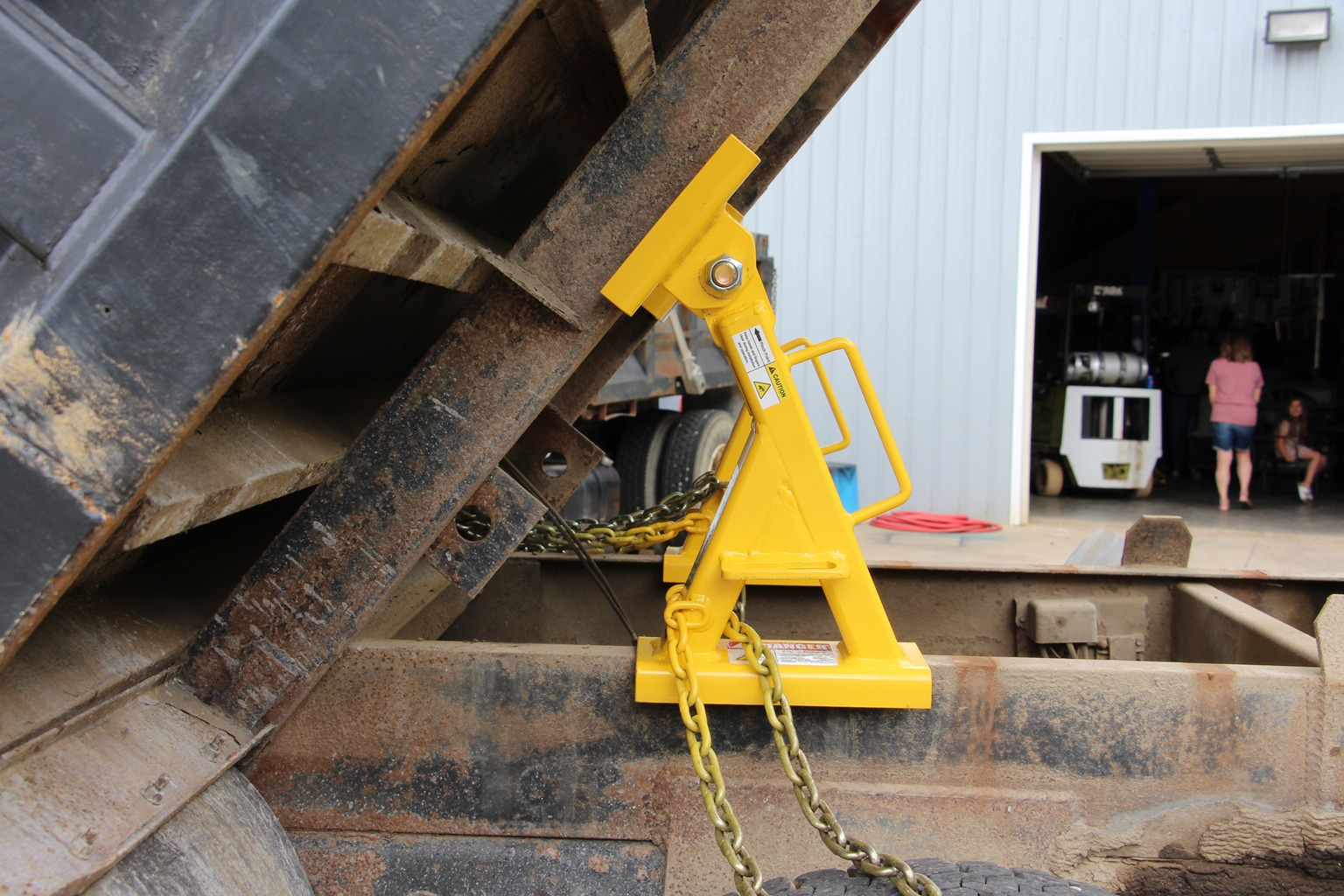
At BedLock Safety Products, we design dump bed safety support systems that reflect everything the industry has learned over the years. If you want help choosing the right safety equipment for trucks, contact our experts today. We’re here to guide you toward equipment that keeps your technicians protected and your workflow steady.