Modern repair facilities are evolving rapidly, driven by the need for greater efficiency, reduced downtime, and improved safety outcomes. One of the most impactful developments in recent years has been the integration of predictive maintenance tools—systems that use data, sensors, and analytics to anticipate issues before they become failures.
However, while predictive maintenance offers powerful insights, it does not replace the need for reliable truck safety equipment. Instead, it works alongside physical safety systems to create a layered approach that protects technicians and ensures safe, efficient operations.
In dump truck repair environments, where heavy loads and elevated components introduce significant risks, combining predictive tools with dependable dump bed safety support is essential for preventing incidents.
Understanding Predictive Maintenance in Repair Facilities
Predictive maintenance relies on monitoring systems, sensors, and historical data to identify potential equipment issues before they lead to breakdowns. These tools track performance indicators such as hydraulic pressure, load distribution, and component wear.
By analyzing this data, repair facilities can:
- Schedule maintenance before failures occur
- Reduce unexpected downtime
- Improve equipment lifespan
- Enhance overall operational efficiency
While these benefits are significant, predictive maintenance focuses on identifying risks—not physically preventing them. This is where truck repair safety equipment becomes critical.
Why Data Alone Is Not Enough
Predictive tools provide valuable information, but they cannot eliminate physical hazards. For example, a monitoring system may indicate that a hydraulic component is functioning normally, but it cannot guarantee that a raised dump bed will remain stable during maintenance.
Unexpected failures, sudden pressure changes, or human error can still occur. Without proper dump truck safety equipment, technicians remain exposed to these risks.
This is why physical safety systems, such as truck bed locks, are essential. They provide a tangible layer of protection that data alone cannot offer.
The Role of Physical Safety Equipment
Physical safety devices are designed to prevent accidents by providing stable support and reducing the likelihood of equipment failure during maintenance.
Certified dump truck bed safety stands and engineered truck body props ensure that raised components remain secure, even if underlying systems fail. These tools are built to handle heavy loads and deliver consistent performance under demanding conditions.
By using reliable truck safety products, repair facilities can protect technicians regardless of what predictive data may indicate.
How Predictive Tools and Safety Equipment Work Together
The true strength of modern safety strategies lies in combining predictive insights with physical protection. This integrated approach ensures that risks are both identified and mitigated.
For example:
- Sensors detect irregularities in hydraulic systems
- Inspection logs highlight recurring maintenance issues
- Alerts notify technicians of potential risks
- Physical equipment provides immediate protection during repairs
When technicians install truck bed locks as part of standard procedures, they create a safety net that complements predictive data. This dual approach significantly reduces the likelihood of accidents.
Improving Decision-Making With Data and Equipment
Predictive maintenance tools enhance decision-making by providing technicians with real-time information about equipment condition. This allows them to plan repairs more effectively and take appropriate precautions.
For instance, if data indicates increased stress on a dump truck’s lifting system, technicians can ensure that proper dump bed safety support is in place before beginning work.
This combination of informed decision-making and reliable equipment leads to safer, more controlled maintenance processes.
Reducing Human Error Through System Integration
Human error remains one of the leading causes of workplace incidents. Predictive tools help reduce this risk by providing clear, data-driven insights, while physical safety equipment minimizes the consequences of mistakes.
When integrated effectively:
- Data reduces uncertainty
- Equipment provides stability
- Procedures ensure consistency
For example, even if a technician overlooks a warning sign, properly installed truck bed locks can prevent a dangerous situation from escalating.
This layered approach creates a more resilient safety system that accounts for both human and mechanical factors.
Enhancing Efficiency Without Compromising Safety
One of the key advantages of combining predictive maintenance with physical safety equipment is improved efficiency. By identifying issues early, repair facilities can plan maintenance tasks more effectively, reducing downtime and avoiding last-minute disruptions.
At the same time, reliable dump truck safety equipment ensures that these tasks can be carried out safely and quickly. Technicians spend less time managing risks and more time completing repairs, resulting in faster turnaround times.
This balance between safety and productivity is essential for high-performing repair operations.
How BedLock Safety Products Supports Integrated Safety Strategies
BedLock Safety Products LLC provides a full range of engineered truck bed locks designed to complement predictive maintenance systems. These products deliver consistent dump bed safety support, ensuring that technicians are protected during inspections and repairs.
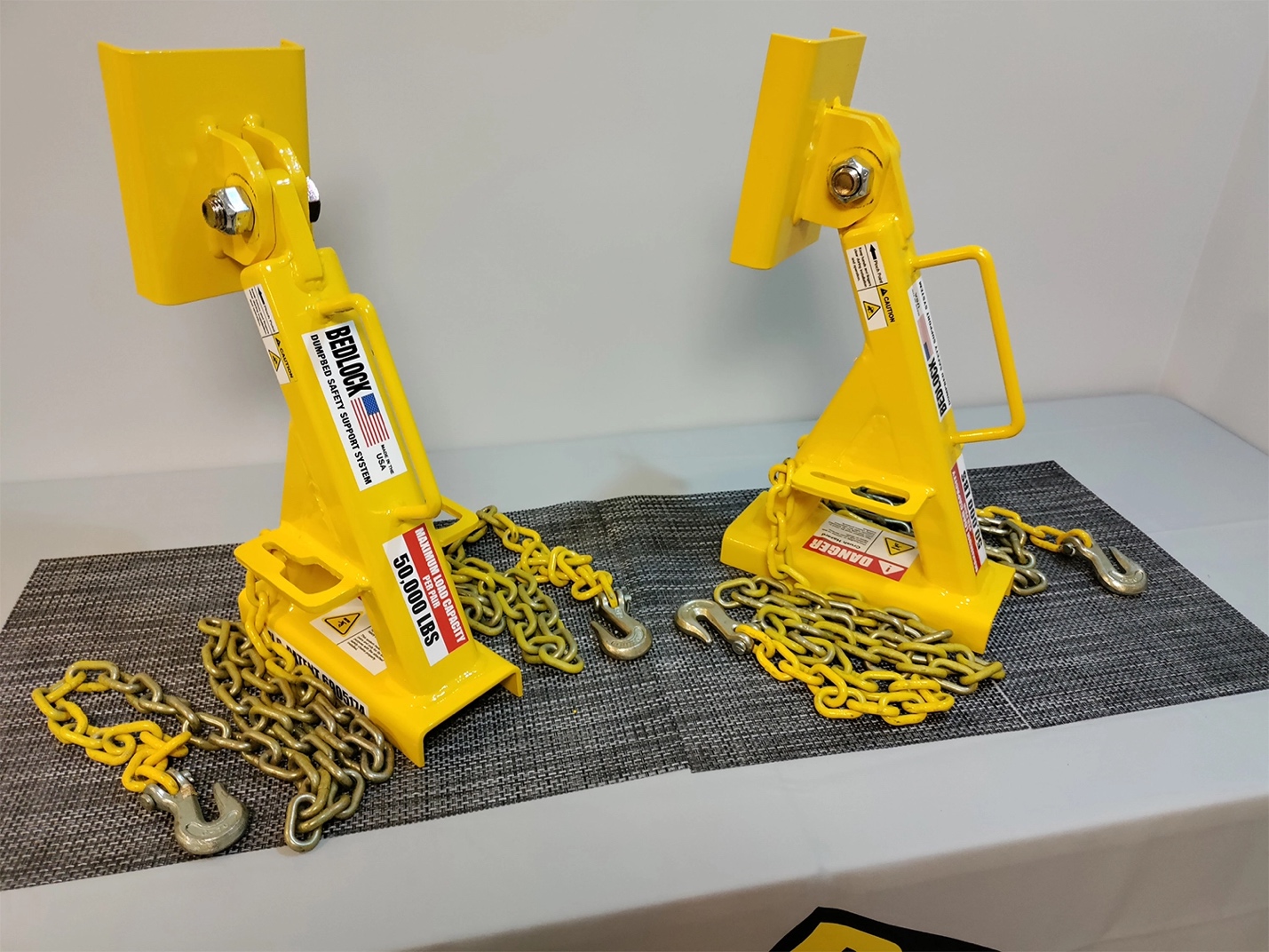
The BL-450 A/B models are ideal for standard maintenance tasks, offering dependable performance and ease of use.
For more demanding applications, the BL-600 A/B models provide enhanced durability and load capacity.
Heavy-duty operations benefit from the BL-700 A/B and BL-800 A/B models, which feature wider bases—7 inches and 8 inches, respectively—for maximum stability under large loads.
For trucks with limited frame access, the BLN-450 A/B Notched BedLock offers a specialized solution. Its unique design allows it to fit around structural obstacles while maintaining reliable performance, making it an essential component of modern truck safety equipment.
By integrating BedLock systems with predictive maintenance tools, repair facilities can create a comprehensive safety strategy that addresses both anticipated and unexpected risks.
Building a Proactive Safety Culture
The combination of predictive tools and physical safety equipment supports a proactive approach to safety. Instead of reacting to incidents, repair facilities can anticipate risks, implement preventive measures, and continuously improve their processes.
This proactive mindset encourages technicians to:
- Follow standardized safety procedures
- Use certified truck safety productsconsistently
- Stay informed about equipment conditions
- Communicate potential risks effectively
Over time, this approach strengthens safety culture and reduces the likelihood of accidents.
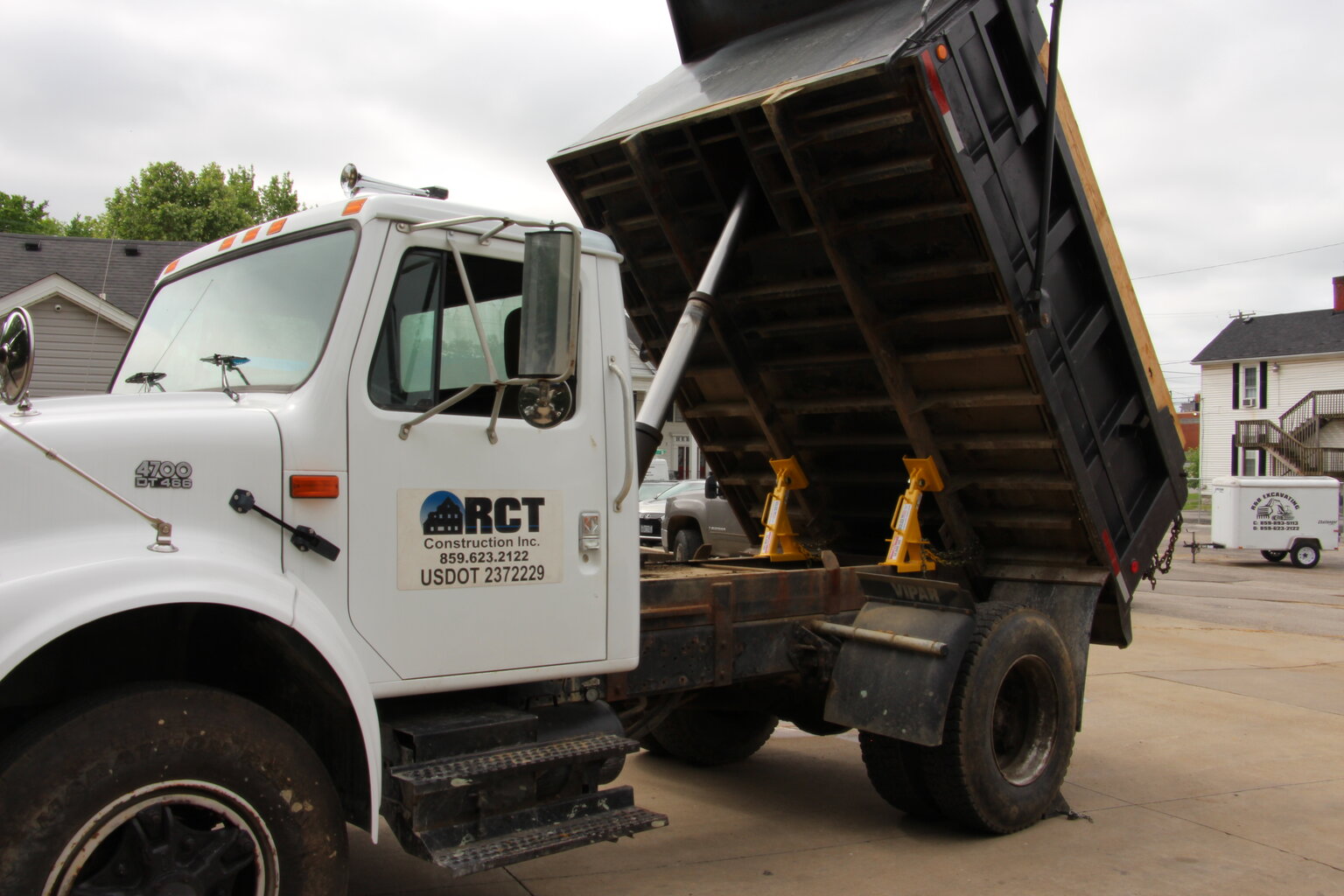
Predictive maintenance tools and physical safety equipment are not competing solutions—they are complementary components of a comprehensive safety strategy. While data and monitoring systems help identify potential risks, reliable truck safety equipment provides the physical protection needed to prevent incidents.
Explore our full range of truck bed locks and dump truck safety solutions, or contact BedLock Safety Products LLC today for recommendations.