
Winter repair work is full of unexpected challenges. Cold snaps can cause hydraulic leaks, stiffened joints, and brittle metal parts. Even routine checks become more complex. Shorter daylight and fluctuating temperatures increase the chance of missed issues.
For maintenance crews, understanding these seasonal risks and adopting proper winter truck maintenance safetyis essential to keep operations running smoothly and prevent costly accidents.
The Hidden Mechanical Hazards
Extreme cold can also affect electronic components, sensors, and monitoring systems on modern dump trucks. Malfunctioning electronics can mislead technicians about bed position or hydraulic status. Combined with heavy winter clothing that limits mobility, these factors increase the likelihood of errors, making certified dump truck safety equipment even more critical.
Even mild maintenance becomes riskier in winter due to subtle equipment vulnerabilities:
· Frozen hydraulics
Cold hydraulic fluid thickens, slowing cylinder response and causing uneven bed movement. Technicians risk sudden jerks or unexpected drops, making proper dump truck safety equipment essential.
· Metal contraction
Cold temperatures make steel and aluminum components contract and sometimes become brittle. Bolts, pins, and frames may crack or break under stress, emphasizing the importance of robust dump truck safety locks during maintenance.
· Condensation and corrosion
Moisture from snow or indoor heating can condense on metal surfaces, accelerating rust and weakening structural integrity. Regular checks and protective coatings help maintain safe operating conditions.
· Delayed technician response
Cold environments slow human reflexes and reduce dexterity. Using dump truck safety equipment minimizes the risk of accidents caused by slowed reactions during critical maintenance tasks.
These factors make winter truck maintenance safety an absolute priority. A misstep under a raised dump bed can lead to serious injury. Traditional supports or wooden blocks aren’t enough.
The Role of Dump Body Safety Stands
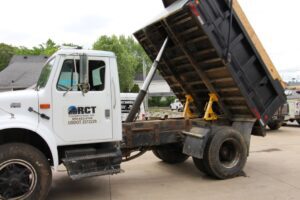
One of the most effective ways to mitigate winter hazards is to use a reliable dump body safety stand.
We rely on these systems because they:
- Secure the bed: Prevent accidental lowering during inspections or repairs.
- Provide stable support: Hold heavy dump bodies under cold conditions without shifting.
- Increase confidence: Technicians can focus on the task instead of worrying about safety.
- Fit various frames: Adapt to different dump truck sizes, including single and tandem-axle vehicles.
Using safety stands consistently is one of the easiest ways to reduce winter-related accidents in the shop.
Hydraulic Safety Systemsin Cold Weather
Hydraulic systems are particularly vulnerable in winter. Cold fluid becomes viscous, and cylinders may respond more slowly than usual.
Key maintenance tips include:
- Check fluid levels and condition frequently.
- Avoid operating cylinders at extreme angles until fully warmed.
- Use dump truck safety equipment, like safety locks, whenever accessing under the bed.
Even a momentary hydraulic failure can have serious consequences. A safety lock ensures the bed stays secure, even if the hydraulic system gives way.
Preventing Slips and Falls
Icy floors and snow tracked into the shop create hazards that are easy to overlook. Slips are a common cause of injury during winter maintenance.
Simple measures include:
- Use anti-slip mats or sand in work areas.
- Require proper footwear with traction.
- Keep walkways clear of snow and ice.
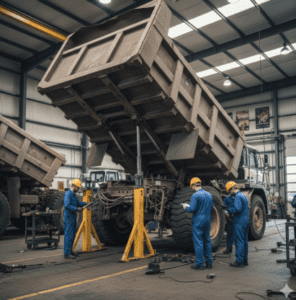
- Position the dump body safety stands strategically to minimize movement around the raised bed.
Combining safe flooring practices with proper safety equipment for trucks creates a layered approach to winter safety.
Visibility and Lighting Considerations
Short days and overcast skies make winter a visibility challenge. Shadows can hide cracks or weak points in a truck bed.
We recommend:
- Adding portable lighting around the repair area.
- Using reflective tape on key truck components.
- Inspecting beds during daylight whenever possible.
- Ensuring all dump truck safety equipment is clearly visible and easily engaged.
Good lighting ensures technicians can see what they are doing, reducing errors and accidents.
A Maintenance Routine You Can Follow
A structured maintenance routineimproves winter truck maintenance safety. Include these steps in your shop’s protocol:
· Inspect hydraulic cylinders and fluid
Check for leaks, cracks, or worn seals. Ensure fluid is at the proper viscosity for cold temperatures to prevent sluggish bed movement or sudden drops.
· Secure dump beds with safety stands and locks
Always use dump body safety stands and dump truck safety lockswhen beds are raised. Ensure stands are correctly positioned and locks fully engaged before starting any work.
· Confirm all lighting and visibility measures
Ensure overhead lights, portable lamps, and vehicle lights function properly. Clear snow or frost from lenses and maintain good visibility for safer inspections and repairs.
· Train staff on winter-specific procedures
Conduct refresher sessions on cold-weather protocols, emphasizing proper use of safety equipment, awareness of icy conditions, and techniques for working efficiently without compromising safety.
Stay Safe This Winter With BedLock Safety Products, LLC
We design and build dump truck safety equipment that keeps repair crews protected, even in harsh winter conditions. Our dump body safety stands and safety locks are engineered for stability, reliability, and ease of use.
Ensure your technicians are safe this season. Contact BedLock Safety Products, LLC to learn which dump truck safety equipment fits your shop best. Keep your crew protected and your workflow efficient, no matter the weather.