Managing a fleet of dump trucks extends far beyond scheduling repairs and keeping vehicles operational. Every repair facility also carries the responsibility of protecting technicians, reducing liability exposure, and maintaining safe working conditions. A single mistake beneath an unsecured dump body can have immediate and fatal consequences.
This is why dump truck maintenance safety equipment should be considered a core part of every fleet safety program rather than a simple compliance requirement. Proper procedures, inspections, and training programs help create an environment where risks are identified and controlled before incidents occur.
Why Dump Truck Repair Facilities Face Unique Risks
Repair facilities that service dump trucks operate in environments where heavy components, elevated bodies, and hydraulic systems create significant hazards. Proper use of dump bed safety support systems helps create a more controlled maintenance environment when technicians work around raised dump bodies.
Many facilities rely on truck bed locks to add a layer of mechanical protection during dump body servicing procedures.
Appropriate dump body safety procedures should always be followed whenever maintenance is performed beneath elevated equipment.
The danger is often underestimated because maintenance tasks become routine. However, routine work can quickly become hazardous when safety procedures are bypassed, or equipment is improperly used.
Fleet Manager Checklist Item #1: Conduct Structural Risk Assessments
Every maintenance facility should regularly evaluate its work areas and procedures to identify potential hazards.
A proper risk assessment should examine:
- Vehicle support procedures
- Work bay conditions
- Equipment placement
- Emergency response planning
- Employee responsibilities
- Potential failure points
Routine inspections of dump body safety prop systems help identify wear before it creates a safety concern.
Regular assessments help organizations identify weaknesses before they contribute to a serious incident.
Fleet Manager Checklist Item #2: Verify Support Procedures
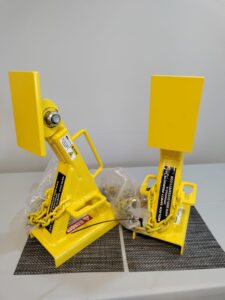
Employees should receive instruction on the proper use of dump body safety stands during maintenance activities.
Proper deployment of dump box safety stands should also be included in written maintenance procedures to ensure consistency throughout the facility.
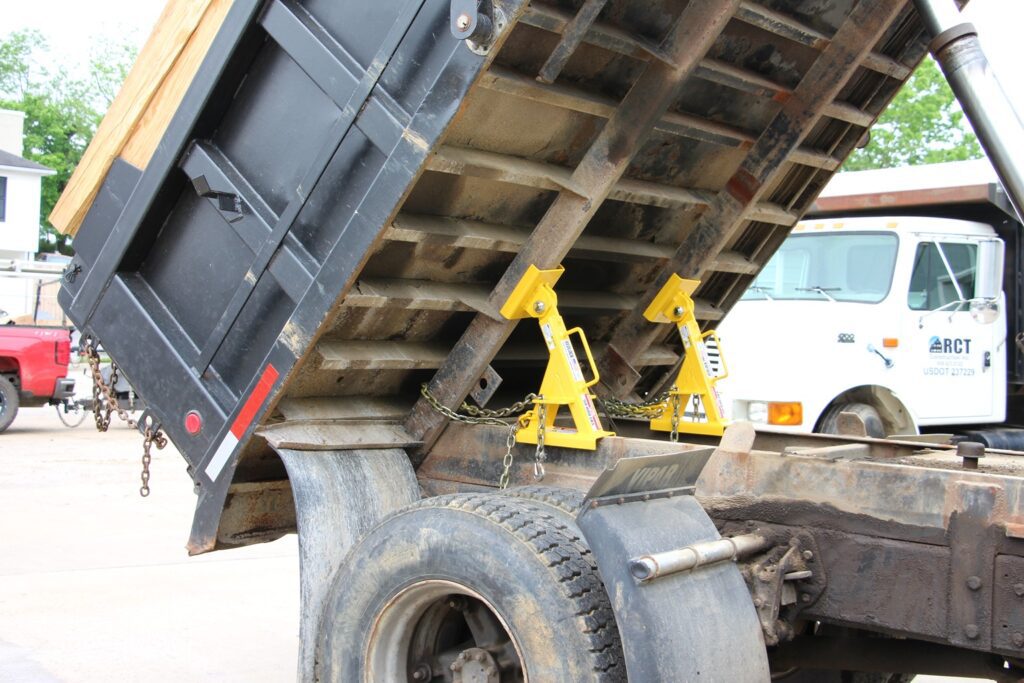
Every maintenance program should address the use of dump truck bed safety stands before any work begins beneath a raised body.
The correct positioning of dump truck box safety stands can significantly improve stability during repair procedures.
Facilities should establish clear expectations regarding when support equipment is required, who is responsible for installation, and how procedures are verified before work begins.
Fleet Manager Checklist Item #3: Inspect Equipment for Wear and Damage
Safety equipment experiences repeated loading cycles and exposure to demanding shop conditions.
Regular inspections of dump truck safety stands help ensure that support systems remain in serviceable condition.
All body safety props should be evaluated regularly for signs of wear, corrosion, deformation, or damage.
Even minor deterioration can affect performance and reduce the reliability of safety systems during maintenance operations.
Inspection programs should include:
- Daily visual checks
- Scheduled maintenance reviews
- Documentation of defects
- Immediate removal of damaged equipment
Safety equipment cannot perform properly if its condition is unknown.
Fleet Manager Checklist Item #4: Track Employee Training
Effective dump truck safety programs rely on both procedures and employee accountability.
Personnel should understand the safe handling of equipment body props before performing maintenance activities.
Training should cover:
- Hazard recognition
- Equipment limitations
- Emergency procedures
- Installation requirements
- Inspection responsibilities
Training should never be viewed as a one-time event. Refresher programs and regular reviews help ensure employees maintain safe work habits and remain aware of changing procedures.
Fleet Manager Checklist Item #5: Standardize Maintenance Procedures
Proper use of truck body props should be incorporated into every raised-body service procedure.
Standard operating procedures should define:
- Vehicle preparation requirements
- Inspection steps
- Required safety equipment
- Communication expectations
- Authorization procedures
Consistency reduces uncertainty and helps eliminate avoidable mistakes during maintenance activities.
When procedures vary from one technician to another, the likelihood of human error increases significantly.
Fleet Manager Checklist Item #6: Eliminate Shortcuts
Proper installation of a dump truck safety brace can help reduce the likelihood of unintended movement during maintenance.
A reliable dump truck safety lock should also be considered an important component of a facility’s overall safety strategy.
Many serious incidents occur because someone believed a shortcut would save time.
Improvised methods may seem convenient, but they often lack:
- Verified load capability
- Structural reliability
- Repeatable performance
- Consistent installation procedures
A few minutes saved during setup are never worth exposing employees to unnecessary risk.
Fleet Manager Checklist Item #7: Encourage Hazard Reporting
Employees should feel comfortable reporting:
- Unsafe conditions
- Equipment concerns
- Near misses
- Procedure gaps
- Training deficiencies
Investments in dump truck repair safety initiatives often provide significant long-term operational benefits because they encourage proactive risk management.
Facilities with strong reporting cultures often identify hazards before they lead to injuries or equipment damage.
Safety Is an Asset Protection Investment
Working with a trusted truck repair safety equipment manufacturer can help fleet managers develop more effective maintenance safety strategies.
A serious workplace incident can result in:
- Medical expenses
- Lost productivity
- Increased insurance costs
- Regulatory penalties
- Legal exposure
- Reputational damage
Preventing a single incident can protect both employees and the long-term health of the business.
For this reason, many fleet operators view safety systems as an investment in asset protection rather than simply another operating expense.
Final Checklist for Fleet Managers
Before maintenance begins, ask the following questions:
✔ Have hazards been identified?
✔ Have support procedures been documented?
✔ Has equipment been inspected?
✔ Are employee training records current?
✔ Are shortcuts being eliminated?
✔ Is hazard reporting encouraged?
✔ Is documentation complete?
If the answer to any of these questions is no, there is an opportunity to strengthen your safety program.
Partner With BedLock Safety Products LLC
Protecting technicians and minimizing liability begins with creating safe, repeatable maintenance practices.
Since 2021, BedLock Safety Products LLC has focused on helping repair facilities improve maintenance safety through practical solutions that encourage consistent use and efficient implementation.
If your organization is evaluating ways to strengthen maintenance procedures, reduce liability exposure, and better protect employees working around raised dump bodies, contact BedLock Safety Products LLC today. The team can help you evaluate your operational needs, discuss best practices for maintenance safety, and recommend solutions that support a safer, more efficient repair environment.
Because when it comes to raised dump body maintenance, making safety simple is often the key to making safety happen every single day. Call us now!