Ensuring technician safety in shops is about more than just having the right tools—it starts with how the shop is designed. A well-thought-out facility layout can prevent accidents, improve workflow, and enhance the effectiveness of dump bed safety support. From tool placement to aisle width, each aspect of the shop environment influences how safely mechanics can perform their duties. In 2026, repair shops face new challenges, including larger fleets, specialized dump trucks, and increasing safety compliance standards. Integrating proper truck bed locks and certified safety equipment into the workflow is critical to keeping technicians protected and operations efficient.
The Role of Facility Design in Safety
The physical layout of a repair shop sets the foundation for safe maintenance practices. Wide aisles, clearly marked pathways, and organized storage areas reduce the risk of slips, trips, and falls. Technicians navigating cluttered or poorly arranged spaces are more likely to encounter hazards while moving around heavy vehicles. Proper layout also allows for quick emergency access, ensuring that personnel can respond effectively to incidents.
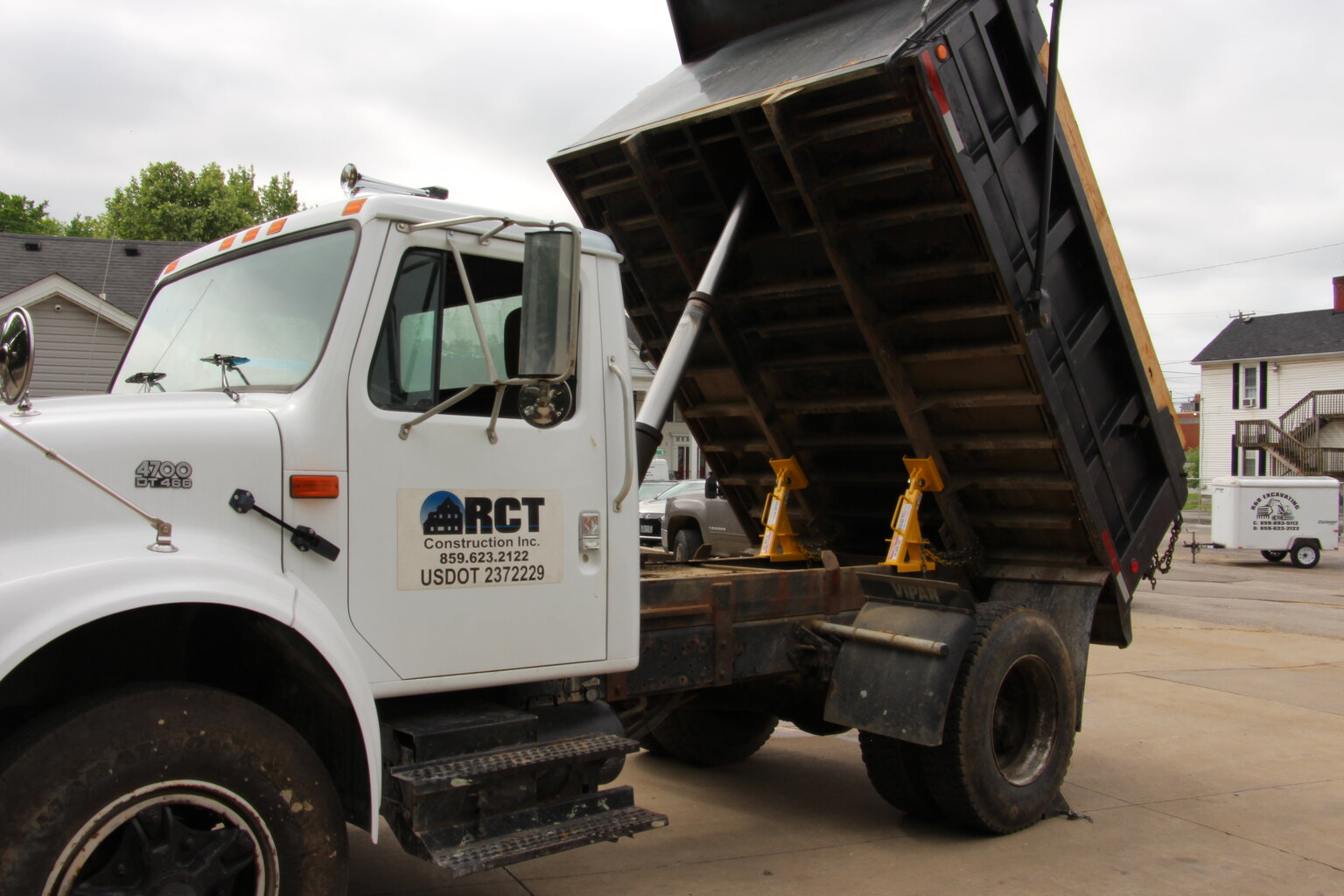
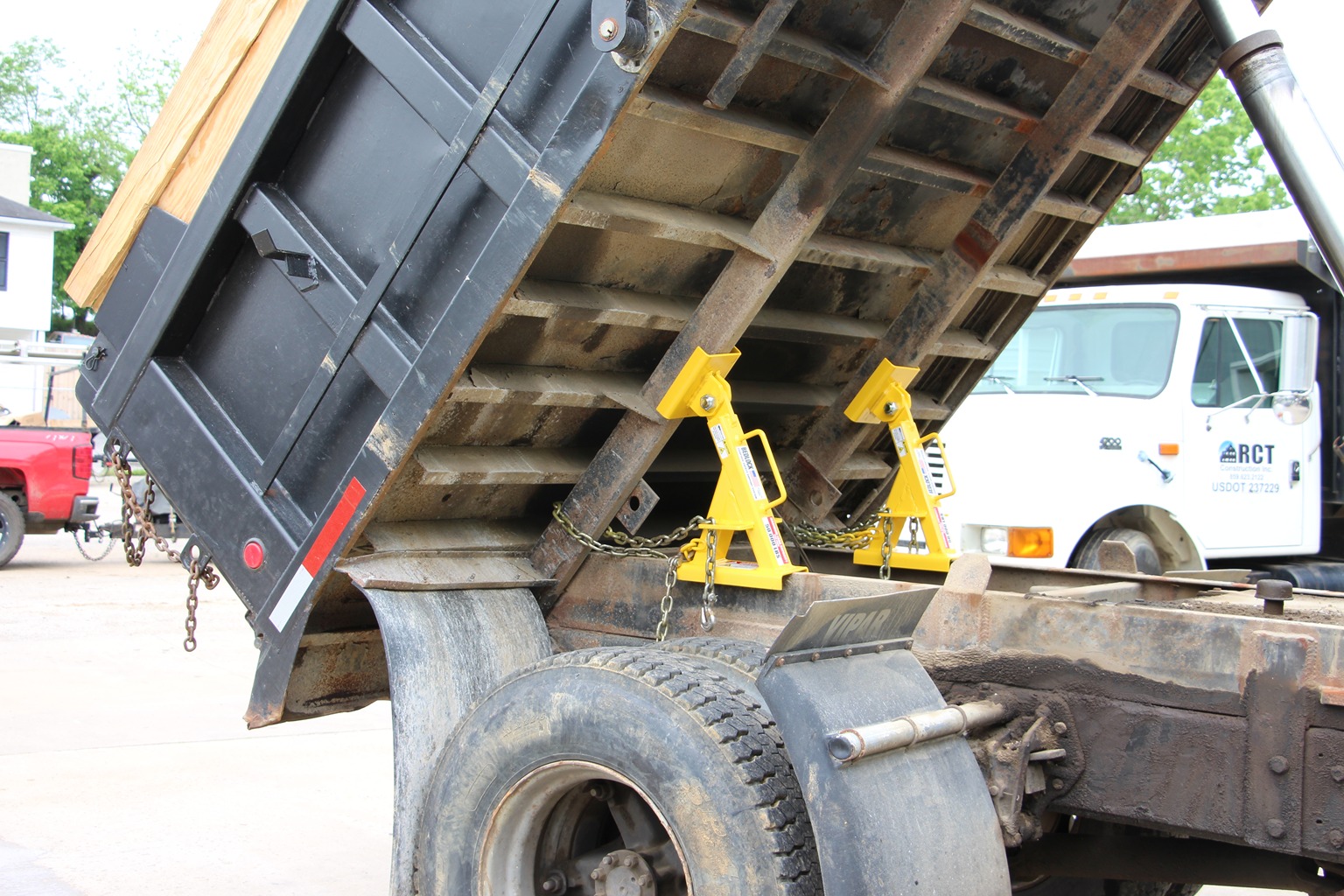
Equally important is the placement of the dump truck bed safety stand. Beds that are left unsupported or improperly propped pose one of the most significant dangers in a repair shop. Certified truck bed locks provide stable support for raised beds, allowing technicians to focus on the repair task instead of worrying about potential bed drops. A thoughtfully designed shop integrates these devices into regular workflows, making safe practices the default rather than an afterthought.
Tool Placement and Workflow Efficiency
How tools and equipment are organized in a shop directly affects safety and productivity. Heavy tools left on floors or work surfaces can create hazards, while poorly located hydraulic lifts and support stands may force technicians into unsafe positions. By placing commonly used tools within easy reach and ensuring that truck repair safety equipment is readily accessible, shops can prevent strain injuries and accidental contact with moving parts.
Designated zones for tasks such as welding, hydraulic work, and inspections help streamline operations and reduce congestion. These zones should include ample space for technicians to deploy dump bed safety support without obstruction. Incorporating visual reminders and checklists for equipment use encourages consistent adherence to safety protocols.
Lighting and Visibility
Proper lighting is a fundamental yet often overlooked component of technician safety. Dark corners, shadowed work areas, and uneven lighting can contribute to errors, especially when working under a raised dump bed. Bright, consistent lighting throughout the shop ensures that technicians can clearly see truck bed locks, support stands, and other safety devices, reducing the likelihood of mishaps.
Emergency lighting should also be integrated into the layout, particularly around areas where heavy trucks are lifted or maintenance is performed. This ensures that even during power outages or after-hours work, technicians can maintain full awareness of their environment.
Traffic Flow and Vehicle Movement
Efficient traffic flow within a shop is essential to reducing collisions and accidents. Separate lanes for vehicle movement, pedestrian walkways, and designated areas for loading or unloading materials keep technicians safe while minimizing interference with repairs. Proper spacing ensures that trucks have room for lifts, jacks, and dump truck safety equipment without endangering staff.
By incorporating clearly marked zones for raised dump beds and storage of truck body props, shops prevent technicians from working in hazardous locations where vehicles could move unexpectedly. This proactive design strategy not only protects staff but also reduces damage to vehicles and equipment.
Safety Culture and Standardized Protocols
Even with the best physical layout, technician safety in shops depends on a culture that prioritizes safety at every step. Standardized protocols for deploying truck bed locks, using dump bed safety support, and performing routine inspections ensure that staff consistently follow safe procedures.
Regular training and drills reinforce these habits, emphasizing the importance of using certified truck safety equipment instead of improvised supports. Mechanic feedback should inform adjustments to the shop layout, ensuring that the environment evolves alongside safety standards and equipment innovations.
Integrating BedLock Safety Products
At the core of safer maintenance workflows is the use of reliable, certified equipment. BedLock Safety Products LLC offers a full range of truck bed locks and dump truck safety equipment designed to integrate seamlessly into any shop layout.
Product highlights include:
- BL-450A/B:Ideal for mid-sized dump trucks, offering dependable dump bed safety support for municipal and commercial fleets.
- BL-600A/B:Perfect for mid-duty trucks, providing stability during inspections, hydraulic maintenance, and routine servicing.
- BL-700A/B:Heavy-duty protection for larger trucks, ensuring safe working conditions during complex repairs.
- BL-800A/B:Extra-heavy-duty solutions for oversized or specialty vehicles, designed to maintain technician safety even under the heaviest loads.
These products are easy to deploy, certified for reliability, and engineered to support a wide range of truck sizes and frames. By placing truck bed locks strategically in your shop and integrating them into pre-maintenance checklists, facilities can create an environment where safety is built into the workflow rather than added on as an afterthought.
Additional Considerations for 2026
With the increasing complexity of dump trucks and fleet operations, shops should regularly evaluate their layouts, tool placement, and safety protocols. Incorporating digital management systems, safety reminders, and clearly marked equipment stations can further enhance technician awareness and reduce human error.
Truck repair safety equipment manufacturers, like BedLock, continue to innovate, producing products that not only meet regulatory requirements but also adapt to evolving maintenance challenges. Choosing the right combination of truck bed locks, dump bed safety support, and truck safety products ensures shops remain compliant, efficient, and accident-free.
The design and organization of a repair facility play a crucial role in technician safety in shops. Proper aisle widths, tool placement, lighting, traffic flow, and the integration of certified dump truck safety equipment all contribute to a safer, more efficient work environment. By strategically incorporating truck bed locks and dump bed safety support from BedLock Safety Products LLC, shops can reduce risk, improve workflow, and ensure that technicians remain protected during every maintenance task.
Upgrade your shop safety today. Contact BedLock Safety Products LLC for certified truck bed locks and reliable recommendations for dump truck safety equipment.