Managing multiple repair facilities comes with a unique set of challenges, especially when it comes to maintaining consistent safety practices. Safety protocols in fleet management play a critical role in ensuring that technicians across all locations follow the same procedures, use the right equipment, and operate in a safe, controlled environment.
Without standardized protocols, even the most experienced teams can fall into inconsistent habits, increasing the risk of accidents and operational inefficiencies. Establishing uniform safety measures is essential for protecting workers, maintaining compliance, and improving overall performance.
Why Consistency Matters Across Locations
When fleet operations span multiple facilities, variations in safety practices can quickly emerge. Different teams may adopt slightly different approaches to maintenance tasks, equipment usage, or safety checks. Over time, these inconsistencies can lead to confusion, miscommunication, and increased risk.
Standardizing safety procedures ensures that every technician, regardless of location, follows the same guidelines. This consistency is particularly important when working with heavy-duty vehicles, where the use of proper truck safety equipment and dump bed safety support is critical.
By aligning processes across all sites, fleet managers can create a predictable and controlled work environment that minimizes uncertainty and enhances safety.
Developing Clear and Repeatable Procedures
The foundation of standardization lies in creating clear, repeatable procedures that can be easily implemented across all facilities. These procedures should cover every stage of the maintenance process, from initial inspection to final checks.
Key areas to standardize include:
- Pre-maintenance safety inspections
- Proper use of truck bed locksand truck body props
- Equipment handling and storage
- Emergency response protocols
When procedures are clearly documented and consistently enforced, technicians can perform their tasks with confidence, knowing exactly what is expected of them.
The Role of Training in Standardization
Even the best procedures are ineffective without proper training. Ensuring that all team members understand and follow standardized protocols is essential for maintaining safety across multiple locations.
Training programs should include:
- Onboarding sessions for new technicians
- Regular refresher courses
- Hands-on demonstrations of dump truck safety equipment
- Clear communication of updated procedures
By reinforcing these practices, fleet managers can ensure that every technician is equipped to follow standardized safety measures, regardless of where they work.
Implementing Consistent Equipment Usage
Standardizing equipment is just as important as standardizing procedures. Using the same types of truck repair safety equipment across all locations eliminates confusion and ensures consistent performance.
For example, requiring the use of certified dump truck bed safety stands during all maintenance involving raised beds creates a uniform safety baseline. Technicians become familiar with the equipment, reducing the likelihood of misuse or error.
Consistent equipment usage also simplifies training, maintenance, and inventory management, making it easier to maintain high safety standards across the entire fleet.
Leveraging Audits and Accountability
Regular audits are essential for ensuring that standardized protocols are being followed. These evaluations help identify gaps, reinforce best practices, and maintain accountability across all locations.
Audits can include:
- Reviewing adherence to safety procedures
- Inspecting the condition and usage of the truck bed locks
- Verifying compliance with safety checklists
- Gathering feedback from technicians
By conducting routine assessments, fleet managers can address issues proactively and ensure that safety standards remain consistent.
Improving Communication Across Facilities
Effective communication is a key component of successful standardization. When multiple locations are involved, it’s important to establish clear channels for sharing information, updates, and best practices.
This can include:
- Centralized documentation systems
- Regular team meetings or briefings
- Digital platforms for sharing updates and reports
Open communication ensures that all facilities stay aligned, reducing the risk of discrepancies in safety practices.
Reducing Risk Through Standardization
Standardizing safety protocols significantly reduces the risk of accidents and injuries. When every technician follows the same procedures and uses the same equipment, the chances of errors and oversights are minimized.
This approach also enhances compliance with safety regulations, as consistent practices make it easier to meet industry standards. In addition, standardized protocols improve operational efficiency by reducing downtime and streamlining workflows.
Building a Unified Safety Culture
Beyond procedures and equipment, standardization helps build a unified safety culture across all fleet locations. When safety becomes a shared priority, technicians are more likely to take ownership of their actions and support one another in maintaining safe practices.
This collective mindset fosters accountability, improves morale, and creates a more positive work environment.
How BedLock Safety Products Supports Standardization
BedLock Safety Products LLC plays a vital role in helping fleet operators standardize safety practices across multiple locations. By offering a comprehensive range of engineered truck bed locks, our company provides reliable solutions that can be implemented consistently across all facilities.
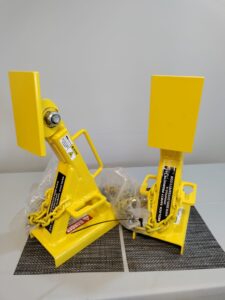
The BL-400 A/B and BL-450 A/B models are ideal for standard maintenance operations, delivering dependable dump bed safety support for everyday use. For facilities handling more demanding workloads, the BL-600 A/B and BL-650 A/B systems offer enhanced durability and stability.
Heavy-duty applications benefit from the BL-700 A/B and BL-800 A/B models, which feature wider bases—7 inches and 8 inches, respectively—providing maximum support for larger vehicles. These robust dump truck bed safety stands are designed to perform reliably under high-capacity conditions.
For trucks with limited frame access, the BLN-450 A/B Notched BedLock offers a specialized solution. Its custom design allows it to fit around structural obstacles while maintaining consistent performance, making it an essential part of standardized truck safety products.
By integrating our systems into their operations, fleet managers can ensure that all locations use the same high-quality equipment, supporting consistent safety outcomes.
Conclusion
Standardizing safety protocols across fleet locations is essential for maintaining consistency, reducing risk, and improving overall performance. Safety protocols in fleet management ensure that every technician operates under the same guidelines, using reliable truck safety equipment and certified truck bed locks.
By implementing clear procedures, providing ongoing training, and using dependable dump bed safety support, fleet managers can create a safer, more efficient environment across all facilities. Explore our products here or contact us for more information.