One moment of distraction is all it takes.
A technician answers a question, skips one verification step, and moves beneath a raised dump body. The hydraulic system appears stable, and the repair seems routine. Yet many workplace incidents begin with small decisions rather than major equipment failures. Human error remains one of the most significant safety challenges in heavy-duty maintenance.
The good news is that organizations can reduce these risks. They do so by combining clear procedures, standardized workflows, effective training, and dependable heavy-duty repair safety systems that support technicians throughout every maintenance task.
According to the National Safety Council (NSC), work-related medically consulted injuries totaled 3.95 million in 2024 across the United States. While these incidents span all industries, the data highlights why employers continue investing in stronger workplace safety programs and preventive measures that reduce avoidable mistakes.
Understanding Human Error in Repair Facilities
Human error does not always result from carelessness.
Most mistakes happen because people work under pressure, become distracted, or rely on assumptions during familiar tasks.
Common contributing factors include:
- Tight repair schedules
- Fatigue
- Incomplete communication
- Distractions inside busy workshops
- Inconsistent procedures
- Insufficient training
- Overconfidence from routine work
Recognizing these factors helps organizations develop systems that support technicians instead of expecting perfect decision-making every time.
Why Safety Systems Matter
People naturally make mistakes.
Well-designed safety systems recognize this reality.
Rather than relying entirely on memory or individual experience, organizations create processes that reduce opportunities for error.
An effective heavy-duty repair safety systems program includes:
- Standard operating procedures
- Equipment inspections
- Technician training
- Mechanical safeguards
- Supervisor verification
- Routine safety reviews
Each layer provides additional protection when another layer is missed.
This approach is commonly known as layered risk reduction.
Standardization Reduces Uncertainty
Consistency improves safety.
When technicians perform the same task using different methods, mistakes become more likely.
Standardized procedures remove unnecessary variation.
Every repair should follow documented steps that include:
- Vehicle preparation
- Hazard identification
- Equipment inspection
- Mechanical support installation
- Maintenance verification
- Final safety checks
When these procedures become routine, technicians spend less time deciding what to do next and more time performing quality work safely.
Training Builds Better Habits
Experience alone does not guarantee safe decisions.
Even highly skilled technicians benefit from ongoing education.
Training should focus on practical situations technicians encounter every day.
Topics may include:
- Hazard recognition
- Safe maintenance procedures
- Equipment inspections
- Communication between team members
- Emergency response
- Proper use of truck body props
Hands-on demonstrations often reinforce learning more effectively than written manuals alone.
Organizations should also encourage technicians to ask questions whenever uncertainty exists.
Clear Communication Prevents Costly Mistakes
Many maintenance incidents begin with communication failures.
One technician assumes another completed an inspection.
A supervisor believes mechanical supports have already been installed.
These misunderstandings create unnecessary risks.
Daily safety briefings help eliminate confusion.
Effective communication includes:
- Assigning responsibilities clearly
- Confirming completed inspections
- Reporting damaged equipment immediately
- Discussing unusual repair conditions
- Reviewing maintenance plans before work begins
Simple conversations often prevent complex problems.
Equipment Should Support Safe Decisions
The safest organizations never expect technicians to rely entirely on memory.
Reliable equipment becomes part of the decision-making process.
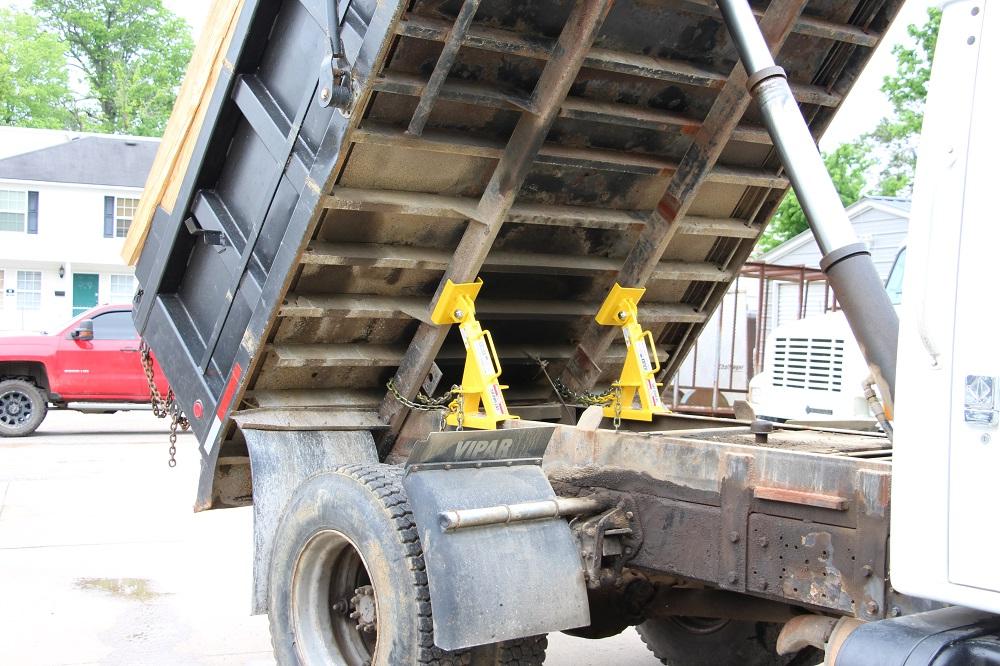
For example, mechanical support devices provide visible confirmation that safety procedures have been completed before maintenance begins.
Properly selected truck safety products also simplify inspections and improve consistency across different repair teams.
Equipment should help technicians follow procedures rather than creating additional complexity.

Mechanical Protection Adds Another Layer of Safety
Hydraulic systems perform important functions during vehicle maintenance.
However, they should not become the only means of supporting raised dump bodies.
Mechanical locking systems provide an independent safeguard that does not rely solely on hydraulic pressure.
This additional protection helps reduce the risks associated with unexpected equipment failures or overlooked procedural steps.
Rather than replacing technician responsibility, mechanical systems reinforce safe maintenance practices.
Build Checklists That Technicians Actually Use
Lengthy paperwork often discourages compliance.
Practical checklists encourage consistency.
An effective checklist should be:
- Easy to understand
- Quick to complete
- Relevant to daily tasks
- Updated regularly
- Available where work occurs
Digital maintenance platforms can also simplify checklist management while creating searchable inspection histories.
The goal is consistent use, not unnecessary documentation.
Encourage Reporting Without Blame
Employees should feel comfortable reporting mistakes and near misses.
Organizations that punish every reporting mistake often discourage valuable communication.
Instead, managers should focus on understanding why errors occurred.
Questions worth asking include:
- Was the procedure unclear?
- Was equipment unavailable?
- Did training need improvement?
- Were technicians under excessive time pressure?
These discussions help strengthen safety systems without discouraging honest reporting.
Leadership Sets the Standard
Technicians pay attention to leadership behavior.
If supervisors ignore procedures, employees may believe shortcuts are acceptable.
Leaders should:
- Follow established safety practices
- Participate in inspections
- Attend safety meetings
- Encourage open communication
- Recognize safe performance
Visible leadership commitment strengthens the overall safety culture.
Where BedLock Fits Into a Complete Safety System
Effective maintenance programs rely on multiple protective measures working together.
BedLock Safety Products’ mechanical locking systems provide one important layer within broader heavy-duty repair safety systems.
Rather than relying solely on technician judgment or hydraulic pressure, BedLock products offer dependable mechanical support designed to assist maintenance teams working beneath raised dump bodies.
Routine inspections of truck body props, documented maintenance procedures, technician training, and dependable mechanical safeguards work together to create safer repair environments.
No single product prevents every incident.
A complete safety strategy combines equipment, procedures, communication, and accountability.
Continuous Improvement Makes Safety Stronger
Safety programs should evolve alongside maintenance operations.
Organizations should regularly review:
- Inspection records
- Near-miss reports
- Technician feedback
- Equipment performance
- Training completion
- Maintenance procedures
Small improvements implemented consistently often produce significant long-term results.
Continuous evaluation also helps organizations adapt to changing fleet requirements without compromising safety standards.
Strengthen Heavy-Duty Repair Safety Systems With BedLock Safety Products LLC
Reducing workplace risk starts with dependable protection. At BedLock Safety Products LLC, we manufacture reliable truck body props, engineered mechanical locking systems, and durable truck safety products that strengthen heavy-duty repair safety systems across repair facilities and commercial fleets.
Our solutions provide an additional layer of protection that complements your maintenance procedures, technician training, and inspection programs. Contact BedLock Safety Products LLC to learn how our safety equipment can help support safer, more consistent heavy-duty vehicle maintenance.