A dump truck may look similar from one fleet to another, but what sits beneath the body often tells a different story. Frame dimensions, axle configurations, mounted equipment, and body styles can vary significantly. Choosing a dump bed support system without considering these differences can create compatibility issues and reduce maintenance efficiency.
The right support system is more than a safety accessory. It is an essential part of a safe maintenance program that helps technicians work confidently beneath raised dump bodies.
According to the National Safety Council (NSC), workplace injuries cost employers $176.5 billion in 2023, including wage and productivity losses, medical expenses, and administrative costs. While these figures cover all industries, they reinforce the financial importance of investing in dependable safety equipment that helps reduce preventable incidents.
For fleet managers, repair facilities, and municipalities, selecting the correct dump bed support system begins with understanding the vehicle itself.
Why One Size Doesn’t Fit Every Truck
Heavy-duty trucks are designed for different industries and workloads.
Construction fleets often use larger dump bodies capable of carrying heavy aggregate. Municipal fleets may operate smaller vocational trucks with unique frame layouts. Trailer applications introduce additional structural differences that affect equipment selection.
These variations influence:
- Frame width
- Dump body design
- Weight distribution
- Ground clearance
- Hydraulic configuration
- Mounted accessories
- Available working space
Ignoring these factors may result in poor equipment fit, reduced accessibility, or unnecessary maintenance challenges.
The best safety solutions are selected with compatibility in mind.
Understanding Frame Dimensions
Frame width is one of the first considerations when choosing a dump bed support system.
Mechanical support devices must fit securely around the truck frame while maintaining stable contact throughout maintenance activities.
An oversized support may not install correctly.
An undersized support may fail to provide proper positioning.
Before selecting equipment, maintenance teams should verify:
- Frame rail measurements
- Clearance around mounted components
- Suspension configuration
- Dump body travel path
- Potential obstructions beneath the chassis
Accurate measurements help ensure the selected equipment matches the vehicle rather than forcing technicians to adapt the equipment to the truck.
Different Truck Applications Require Different Solutions
Not every fleet operates identical equipment.
Understanding the intended application helps determine which support system provides the best fit.
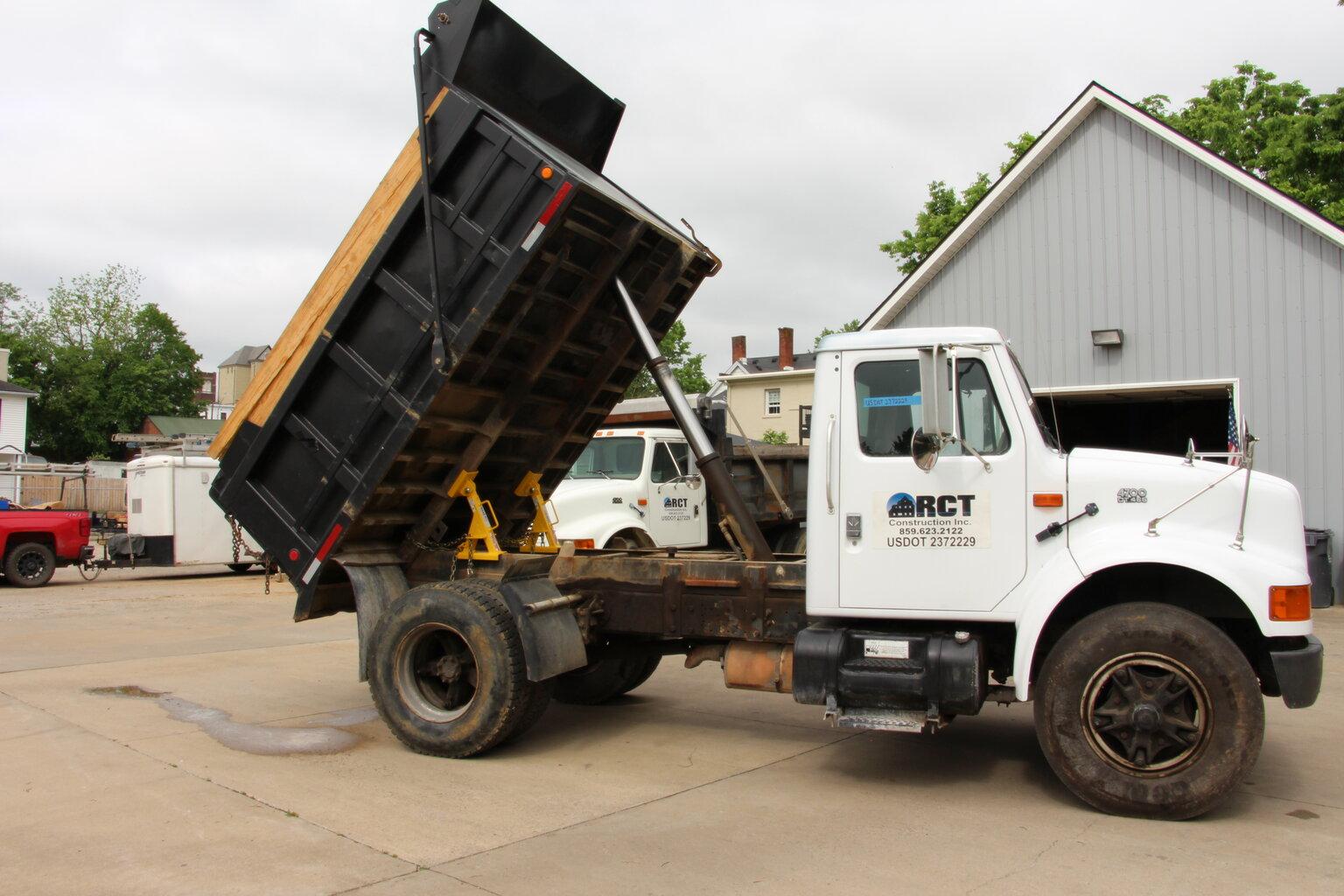
Single-Axle Dump Trucks
Single-axle trucks are commonly used by municipalities, landscaping companies, and smaller construction operations.
These vehicles typically require support equipment designed for narrower frame configurations while maintaining dependable load support during routine maintenance.
Choosing equipment specifically engineered for these vehicles improves installation efficiency and technician accessibility.
Tandem-Axle Dump Trucks
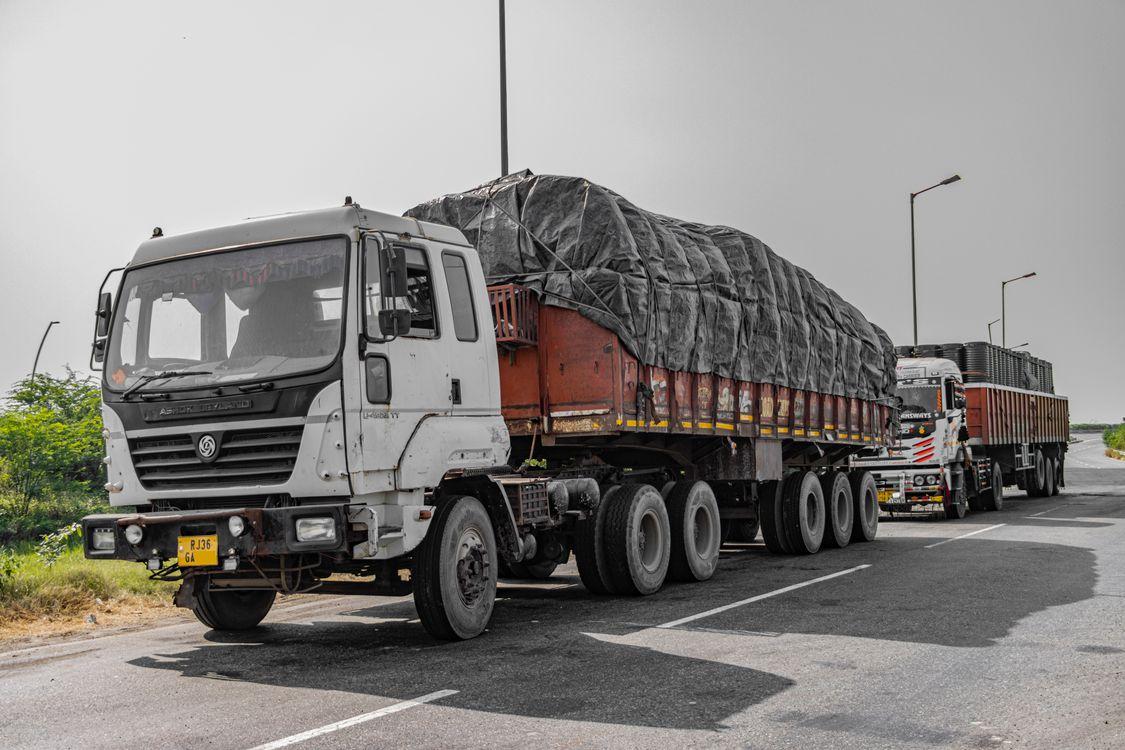
Larger construction fleets often rely on tandem-axle dump trucks for increased hauling capacity.
These vehicles experience greater structural loads during maintenance and require support systems capable of handling more demanding applications.
Equipment selection should prioritize compatibility with larger frame dimensions while maintaining secure positioning.
Dump Trailers
Dump trailers introduce another level of complexity.
Trailer frames often differ from conventional truck chassis, requiring safety equipment that accommodates different structural layouts.
Support systems selected for trailer maintenance should allow technicians to work safely while maintaining sufficient clearance beneath the raised body.
Vocational and Specialty Trucks
Vocational vehicles frequently include:
- Toolboxes
- Hydraulic reservoirs
- Air tanks
- Battery compartments
- Auxiliary equipment
These additions reduce available installation space beneath the chassis.
In these situations, customized support systems may provide a better solution than standard equipment.
Maintenance Conditions Matter Too
Vehicle type is only part of the equation.
Repair conditions also influence equipment selection.
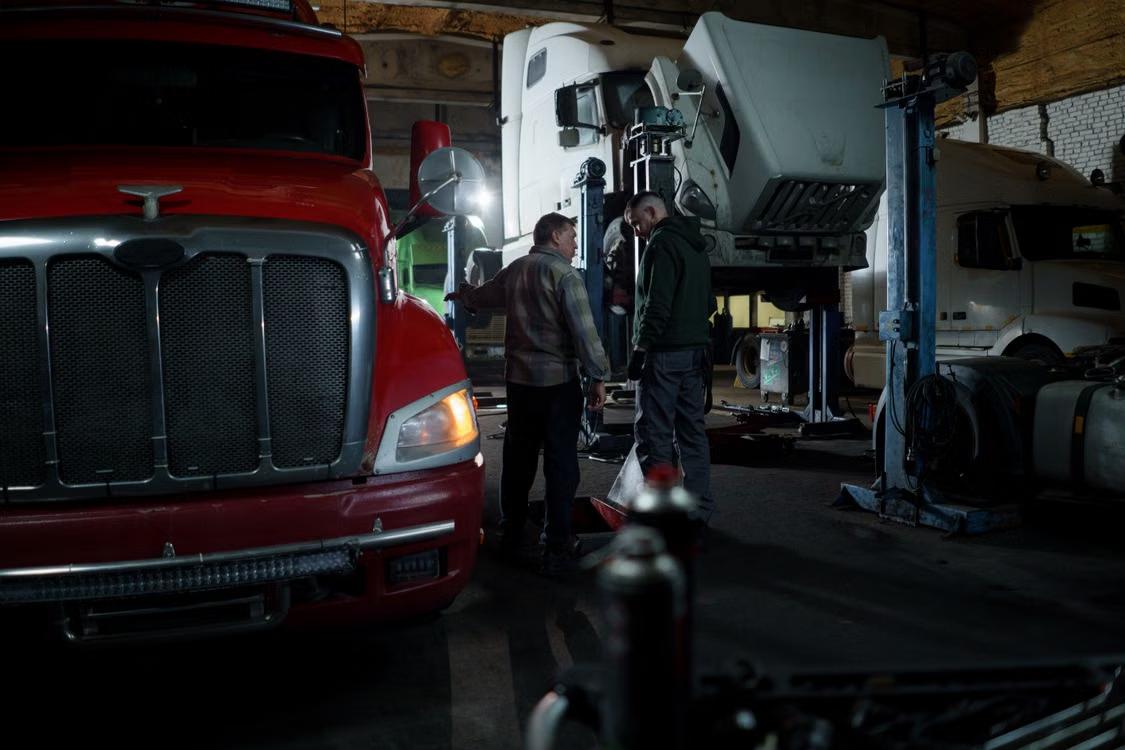
Maintenance performed inside a controlled repair facility differs from work completed in municipal yards or commercial fleet service centers.
Managers should consider:
- Floor conditions
- Available working space
- Frequency of maintenance
- Number of technicians
- Accessibility around the vehicle
Equipment that performs consistently across different environments contributes to a more reliable maintenance process.
The Importance of Certified Mechanical Protection
Hydraulic systems are designed to raise dump bodies.
They should not become the only safeguard during maintenance.
A certified dump body safety prop provides an independent mechanical layer of protection while technicians work beneath raised equipment.
This additional safeguard reduces dependence on hydraulic pressure alone and supports safer maintenance practices.
Mechanical support systems should become part of every organization’s broader safety strategy rather than being viewed as optional equipment.
Matching BedLock Models to Different Applications
BedLock Safety Products LLC manufactures several models designed to accommodate varying truck frame sizes and maintenance requirements.
Understanding these differences helps fleet managers select equipment appropriate for their vehicles.
BL-450
The BL-450 is designed for truck frames up to 4½ inches.
It is commonly used on single-axle and tandem-axle dump trucks where compact frame dimensions require dependable mechanical support.
Its design makes it well suited for routine maintenance performed in commercial repair facilities.
BL-600
For larger truck frames up to 6 inches, the BL-600 provides increased compatibility while maintaining the same focus on technician protection.
This model serves fleets operating larger commercial dump trucks requiring additional frame capacity.
BL-700B
The BL-700B accommodates truck frames up to 7 inches.
It is frequently selected for trailer applications and can also be customized to meet specialized fleet requirements.
Organizations operating severe-duty equipment or unique vehicle configurations often benefit from its adaptable design.
BLN-450A/B
Not every truck provides generous installation space.
The BLN-450A/B was developed for applications where battery boxes, air tanks, or other mounted equipment limit clearance beneath the chassis.
Its notched configuration allows technicians to install dependable support while working around these obstacles without compromising functionality.
Consider Future Fleet Growth
Equipment purchases should support future operations as well as current needs.
Fleet composition changes over time.
Organizations may add larger trucks, trailers, or specialty vehicles that require different safety equipment.
Planning allows managers to standardize maintenance procedures while minimizing future equipment replacement costs.
Working with an experienced truck safety equipment manufacturer also helps organizations identify solutions capable of supporting long-term fleet expansion.
Develop Standardized Equipment Selection Policies
Many organizations allow individual technicians to determine which equipment to use.
This creates unnecessary inconsistency.
Instead, fleet managers should establish standardized selection criteria based on:
- Vehicle type
- Frame dimensions
- Maintenance frequency
- Operating environment
- Manufacturer recommendations
Standardization simplifies training, improves compliance, and reduces uncertainty during maintenance operations.
Equipment Inspections Remain Essential
Selecting the correct support system is only the beginning.
Routine inspections help ensure equipment remains ready for daily use.
Inspection programs should verify:
- Structural integrity
- Wear patterns
- Proper fit
- Secure locking components
- Signs of corrosion or damage
The Occupational Safety and Health Administration (OSHA) emphasizes that regular inspection and maintenance of workplace equipment are essential elements of effective safety programs.
Consistent inspections extend equipment life while helping technicians identify concerns before maintenance begins.
Find the Right Dump Bed Support System With BedLock Safety Products LLC
Every fleet has different maintenance requirements, and selecting the right dump bed support system starts with choosing equipment designed for your specific vehicles.
At BedLock Safety Products LLC, we manufacture dependable solutions including the BL-450, BL-600, BL-700B, and BLN-450A/B to support a wide range of truck and trailer applications. As a trusted truck safety equipment manufacturer, we provide reliable dump body safety prop solutions that help maintenance teams work more safely and efficiently.
Get in touch to identify the right safety equipment for your fleet and strengthen your maintenance program with confidence.