A truck enters the repair bay for what should be a routine inspection. The schedule is tight, the workload is heavy, and everyone wants the vehicle back on the road quickly. In many shops, this is where shortcuts begin. One missed inspection or one overlooked safety procedure, can turn an ordinary maintenance task into a serious incident.
That is why every fleet needs more than good intentions. It needs a fleet maintenance safety strategy that leaves no room for compromise.
A strong strategy protects technicians, keeps vehicles in service, reduces operational disruptions, and demonstrates a company’s commitment to responsible fleet management. It combines planning, training, accountability, and dependable equipment into one repeatable system.
According to the U.S. Bureau of Labor Statistics (BLS), transportation and material moving occupations recorded more than 2.5 million nonfatal workplace injuries and illnesses involving days away from work in 2024, reinforcing the importance of consistent workplace safety programs. While not all incidents occur during vehicle maintenance, the data highlights the ongoing need for structured safety practices in heavy-duty work environments.
Why Every Fleet Needs a Maintenance Safety Strategy
Safety programs often receive attention only after an incident occurs. The most successful fleet operations take the opposite approach.
Instead of reacting to problems, they build systems that reduce the likelihood of mistakes before maintenance begins.
An effective fleet maintenance safety strategy creates consistency. Every technician follows the same procedures. Every supervisor evaluates work using the same standards. Every repair receives the same level of preparation regardless of deadlines or workload.
This consistency improves productivity while reducing uncertainty across the entire maintenance operation.
Start With a Thorough Risk Assessment
Every maintenance facility has unique risks.
Vehicle types, shop layouts, technician experience, and daily workloads all influence potential hazards. Before introducing new procedures, fleet managers should conduct a detailed assessment of the entire repair environment.
The assessment should include:
- Raised dump bed operations
- Hydraulic system inspections
- Vehicle positioning procedures
- Shop traffic patterns
- Equipment storage locations
- Lighting and visibility
- Emergency response procedures
- Personal protective equipment requirements
Risk assessments should become routine rather than one-time exercises. As fleets expand and equipment changes, safety evaluations should evolve accordingly.
Standardize Maintenance Procedures
Variation often creates risk.
If one technician follows one process while another relies on experience alone, inconsistencies develop quickly.
Standard operating procedures help eliminate uncertainty by documenting each maintenance task from beginning to end.
Effective procedures typically include:
- Required inspections before maintenance begins
- Lockout and isolation procedures where applicable
- Safe lifting practices
- Proper installation of dump bed safety support
- Verification before working beneath raised equipment
- Final inspection before returning vehicles to service
Clear documentation makes expectations easier to understand for both experienced technicians and new employees.
Invest in Continuous Employee Training
Training should never end after onboarding.
Vehicle technology changes. Shop equipment changes. Safety expectations also change.
Regular refresher sessions reinforce proper habits while allowing supervisors to address recurring issues before they become larger problems.
Training programs should cover:
- Hazard recognition
- Equipment inspection
- Emergency response
- Safe maintenance procedures
- Proper use of truck repair safety equipment
- Communication between technicians and supervisors
According to the Occupational Safety and Health Administration (OSHA), ongoing training helps employees recognize workplace hazards and understand the procedures designed to reduce them.
The objective is confidence built through knowledge rather than familiarity alone.
Choose Equipment Designed for Reliability
Procedures matter.
Training matters.
The equipment supporting technicians matters just as much.
Fleet managers should evaluate maintenance equipment using objective criteria rather than purchase price alone.
Questions worth asking include:
- Is the equipment designed specifically for heavy-duty maintenance?
- Can technicians install it consistently?
- Does it support different vehicle configurations?
- Is it engineered for repeated daily use?
- Does it simplify compliance with established safety procedures?
Reliable equipment reduces variability within the maintenance process.
It also helps technicians develop confidence because they know the equipment performs consistently.
Establish Predictable Inspection Schedules
Even the best equipment requires regular inspection.
Scheduled inspections verify that safety devices remain in proper working condition before they are needed.
Inspection schedules should include:
- Daily visual checks
- Weekly operational inspections
- Monthly documentation reviews
- Annual equipment evaluations
- Replacement planning for worn components
Maintaining written inspection records also demonstrates organizational commitment to safety during internal reviews and external audits.
Inspection programs should be simple enough that they become routine rather than burdensome.
Build Accountability Throughout the Organization
Safety should never belong to one department alone.
Everyone plays a role.
Fleet managers establish expectations.
Supervisors reinforce procedures.
Technicians follow documented practices and report concerns immediately.
Accountability becomes stronger when organizations:
- Conduct routine safety meetings
- Encourage reporting of near misses
- Review incidents without assigning blame
- Measure compliance through observations
- Recognize teams that consistently follow procedures
Open communication often identifies small concerns before they develop into larger operational problems.
Mechanical Protection Should Never Be an Afterthought
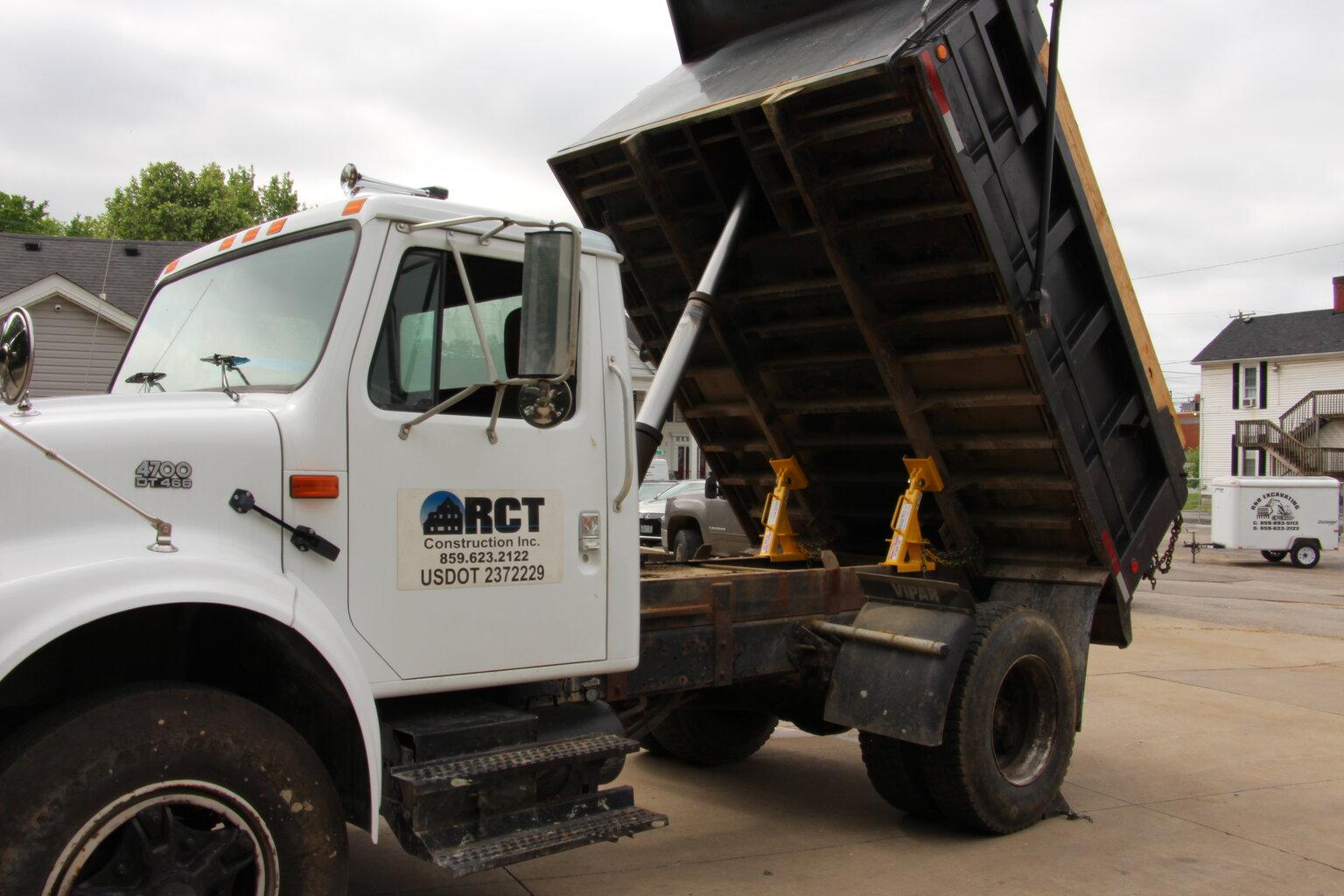
Hydraulic systems perform an important function during maintenance, but they should not become the only means of supporting raised dump beds.
Mechanical protection provides an additional layer of security during servicing.
Certified truck bed locks and dependable dump bed safety support help reduce the risks associated with unexpected hydraulic pressure loss or component failure.
Rather than replacing safe maintenance procedures, mechanical support systems strengthen them.
They become part of a broader safety strategy built on multiple protective measures instead of relying on a single system.
Documentation Strengthens Safety Programs
Documentation often receives less attention than equipment selection.
However, organized records help managers monitor trends, identify recurring issues, and demonstrate compliance with company procedures.
Useful documentation includes:
- Technician training records
- Equipment inspection reports
- Maintenance checklists
- Incident investigations
- Corrective action plans
- Equipment replacement schedules
Well-maintained records also simplify internal reviews and support continuous improvement efforts.
Review and Improve Continuously
A safety strategy should never remain static.
Fleet operations change.
Vehicle designs evolve.
Maintenance demands increase.
Regular reviews allow organizations to identify opportunities for improvement before problems develop.
Many successful fleet managers conduct quarterly safety reviews to evaluate:
- Incident trends
- Equipment performance
- Training completion
- Inspection compliance
- Technician feedback
- Procedure effectiveness
Small adjustments made consistently often produce significant long-term improvements.
A Strong Safety Culture Starts With Leadership
The most successful maintenance facilities share one characteristic.
Leadership demonstrates that safety is part of daily operations rather than an occasional discussion.
When managers follow established procedures themselves, technicians recognize that expectations apply equally across the organization.
That consistency strengthens trust and encourages long-term commitment to workplace safety.
A zero-compromise approach is not about slowing maintenance operations.
It is about ensuring every repair is completed using reliable procedures, dependable equipment, and informed decision-making.
Build a Stronger Fleet Maintenance Safety Strategy With BedLock Safety Products
Every successful fleet maintenance safety strategy depends on dependable equipment that technicians can trust. At BedLock Safety Products LLC, we design certified truck bed locks, dump bed safety support systems, and truck repair safety equipment that help reduce maintenance risks while supporting consistent safety practices across repair facilities.
Whether your fleet operates a handful of vehicles or manages hundreds of heavy-duty trucks, our solutions help strengthen maintenance programs built around reliability, accountability, and technician protection.
Contact us to learn how our engineered safety systems can become an essential part of your long-term maintenance safety strategy.