Most safety equipment spends far more time on a shelf than in use. That is why where it sits, how it is labeled, and who checks it matter as much as which model you bought.
OSHA’s general industry rule is direct: employers are responsible for the safe condition of tools and equipment used by employees. This guide follows maintenance safety equipment through its full life, one stage at a time.
The idea is simple. A shop that tracks equipment from purchase to retirement knows what it has, where it is, and what condition it is in.
Stage 1: Selection
Good management starts at the purchase. Match the equipment to the trucks you actually service.
- Confirm frame widths
- Confirm the type of work
- Ask the manufacturer to recommend a model
Think ahead, too. Choosing the right maintenance safety equipment also means asking where it will be stored, who will inspect it, and how it will be kept ready.
Stage 2: Receiving
Treat delivery as the first inspection. When equipment arrives:
- Compare the shipment to the order
- Check for shipping damage
- Confirm the model suits the intended frames
- Record the receipt date
Problems found at the dock are far easier to fix than problems found at the bay.
Stage 3: Labeling
Labels make equipment trackable. Mark each unit with:
- A unique ID number
- The model and frame size
- The date it entered service
Matching pairs can share a tag so they stay together. Labels also make audits and reviews much faster.
Stage 4: Operator Access
Equipment that is hard to find invites shortcuts. Keep supports near the bays where they are used. Every technician should know:
- Where each unit lives
- Which unit fits which truck
- How to install it correctly
Readily available safety equipment for trucks makes the correct setup the easiest one.
Stage 5: Storage Conditions
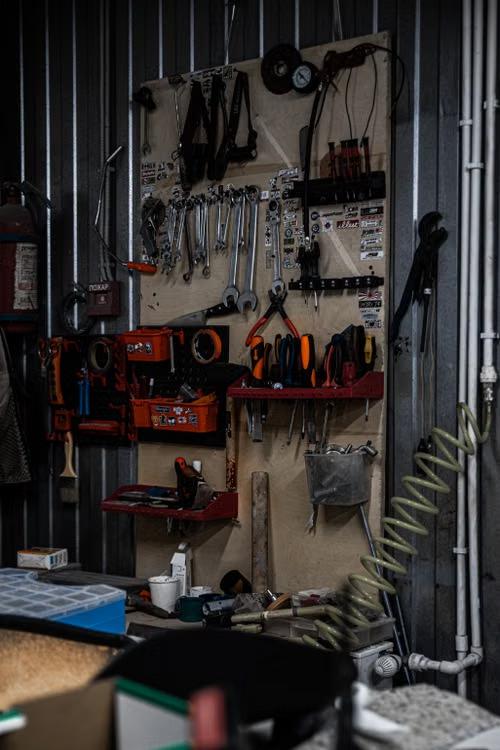
Storage affects how long equipment lasts. Aim for a spot that is:
- Dry and clean
- Off the floor and out of walkways
- Easy to reach without climbing or stretching
Good storage keeps maintenance safety equipment ready for the next job.
Weight matters here too. A BL-450A/B unit weighs 50 lbs, so storage should allow safe lifting. BedLock describes a corrosion-resistant finish, but dry storage still helps any steel equipment stay in better condition.
Stage 6: Routine Checks
Inspection catches problems before they matter. Check each unit before use and on a set schedule. Look at:
- Chains and hooks for wear or damage
- The locking mechanism
- Overall cleanliness and debris
A quick look before each use takes a minute. A fuller review on a schedule catches slower changes, such as gradual wear.
Federal mine-safety rules give a useful model. Under 30 CFR 56.14100, safety defects on equipment and tools must be corrected in a timely manner. Hazardous items must be taken out of service and tagged or placed in a posted area until repaired.
Stage 7: Usage Documentation
A simple log shows what happened and when. Record:
- Unit ID and inspection date
- Who inspected it
- The condition found
- Any repair or removal from service
Digital or paper both work. What matters is that the log is easy to fill in and easy to find. Over time, the log shows patterns. If the same part keeps wearing out early, you will see it before it becomes a problem.
Stage 8: Replacement Planning
Equipment does not last forever. Set clear rules for retirement:
- Remove damaged units from service immediately
- Tag them so no one picks them up by mistake
- Contact the manufacturer about repair or replacement
Review the log each quarter to see which units are due for replacement. Plan ahead so a removed unit never leaves a bay without support. Keeping this step in the plan protects dump body safety even when equipment has to come out of rotation.
Keeping BedLock Equipment Ready
BedLock Safety Products, LLC makes truck repair safety equipment for repair-shop use, not for cargo hauling or on-road use. Each unit uses two chains and hooks with a double key slot retention plate. The company advises periodic inspection of chains, hooks, and the locking mechanism, and keeping the system clean and free of debris.
Its range includes the BL-450A/B, BL-600A/B, BL-700B, BL-800B, and the made-to-order notched BLN-450A/B. Properly stored and checked dump truck safety stands stay available for the maintenance applications they were built for.
Our website includes an installation video, a handy reference for new technicians. If a standard size does not fit, the company also takes custom order requests.
Quick Lifecycle Checklist
- Model matched to the truck before purchase
- Shipment checked on arrival for damage
- Every unit labeled and logged
- Storage near the bay, dry, clear, and reachable
- Inspections on a schedule
- Damaged units tagged and removed
- Log reviewed regularly
- Replacement plan in place
Find the Right BedLock System for Your Shop
At BedLock Safety Products, we manufacture unique dump truck safety equipment for repair shops. Good maintenance safety equipment only helps when it fits the truck, so we do not want customers guessing.
Contact us with your truck details and frame widths. Our team can recommend the appropriate BedLock system and provide a firm freight cost before your order is finalized.