Heavy-duty repair facilities depend on equipment that performs consistently under pressure. When technicians work beneath raised dump beds on refuse trucks, construction vehicles, and fleet equipment, safety depends on more than procedures and training alone. It depends on material strength.
This is why steel truck bed safety props and engineered bed lock systems play such a critical role in maintenance environments. A truck bed support is not simply a piece of hardware—it is a load-bearing safety device designed to protect human life under extreme conditions.
For fleet operators and repair facilities, material integrity is not a luxury or optional feature. It is the foundation of dependable maintenance safety.
Why Material Selection Matters in Bed Lock Design
Not all support systems are engineered to handle heavy-duty maintenance demands.
A raised dump bed places tremendous pressure on stabilization equipment. Weight distribution can vary, hydraulic pressure may shift unexpectedly, and repair environments rarely offer ideal conditions.
Under these circumstances, the structural material used in a bed lock becomes critically important.
Weak or inconsistent materials create several risks:
- Structural bending
- Load instability
- Premature wear
- Surface degradation
- Reduced support integrity
- Unpredictable performance
Unlike light-duty supports or improvised alternatives, engineered truck safety equipment must perform reliably under repeated stress.
That performance begins with steel.
The Demands of Heavy-Duty Repair Environments
Refuse and construction vehicles operate under severe working conditions long before they enter the repair facility.
These vehicles encounter:
- Heavy payloads
- Harsh weather
- Road debris
- Moisture exposure
- Abrasive materials
- Constant vibration
By the time maintenance begins, both the vehicle and surrounding equipment have already experienced significant stress.
This environment leaves no room for weak support systems.
When technicians perform bed-up repairs, support equipment must withstand both static and dynamic forces while maintaining consistent stability.
That is why engineered truck bed locks require durable construction and dependable material integrity.
Why Steel Remains the Industry Standard
Steel has long been trusted in industrial manufacturing because of its strength, durability, and predictable structural performance.
For bed lock systems, steel offers several essential advantages.
Exceptional Load Strength
Steel provides the structural rigidity required for heavy vehicle maintenance.
Unlike lighter materials or fabricated alternatives, properly engineered steel systems resist:
- Compression failure
- Deformation
- Excessive flexing
- Structural fatigue
This strength becomes particularly important when supporting raised dump beds where load pressure may shift unexpectedly during repairs.
Reliable dump bed safety support depends on maintaining this structural integrity.
Predictable Performance Under Stress
Consistency matters in safety equipment.
Technicians need systems that respond predictably under load conditions.
Steel offers repeatable performance because its behavior under pressure is well understood and dependable.
This predictability reduces uncertainty during maintenance and helps support safer repair procedures.
The Problem With Weak or Improvised Materials
Some facilities continue relying on improvised supports or non-engineered materials.
While these methods may appear convenient, they introduce serious risk.
Makeshift systems often suffer from:
- Unknown load capability
- Material inconsistency
- Poor structural stability
- Surface damage
- Increased collapse potential
Wood, modified braces, or fabricated alternatives may lack the durability needed for heavy-duty applications.
These materials can crack, compress, rot, or weaken over time.
Even metal substitutes without proper engineering standards may fail under repeated loading cycles.
The danger is not always immediate.
Material degradation often develops gradually, making failures difficult to predict.
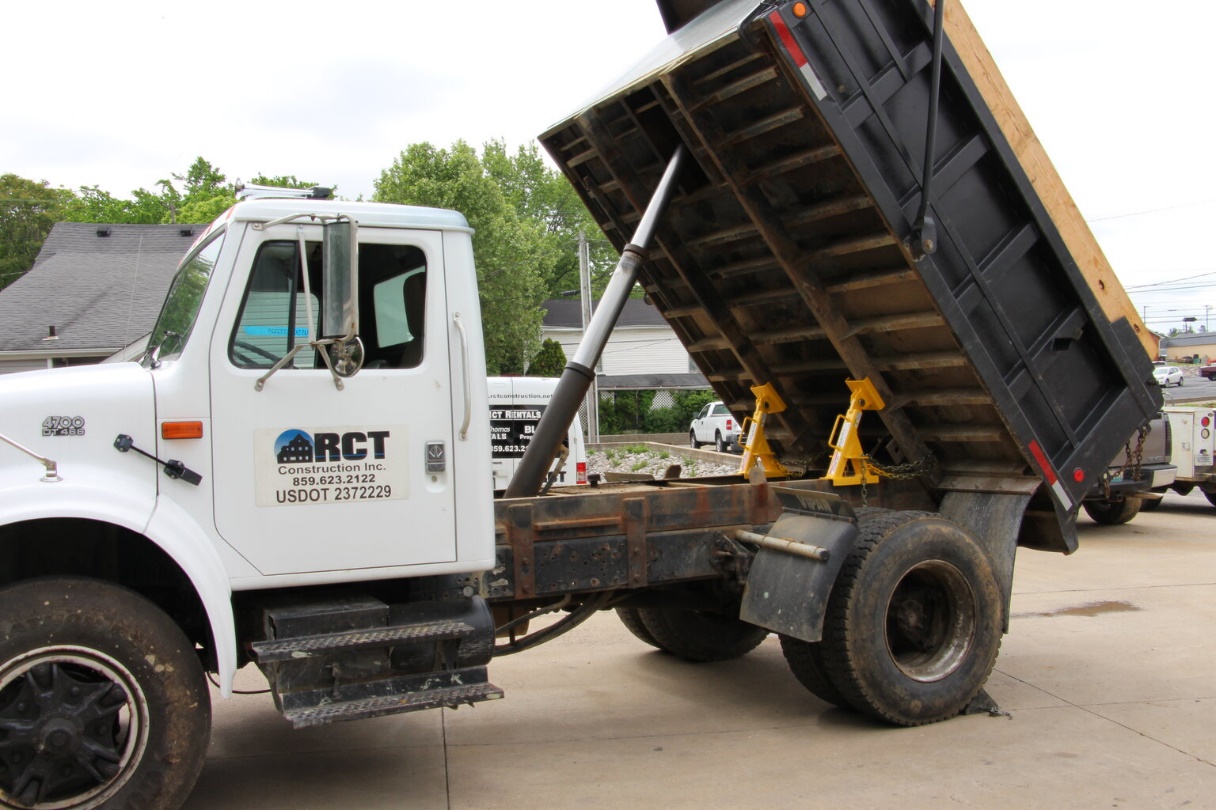
This is why steel truck bed safety props remain essential in professional repair environments.
Corrosion Resistance Is More Than Appearance
Strength alone does not guarantee long-term reliability.
Heavy-duty repair environments expose equipment to conditions that accelerate corrosion.
Common exposure factors include:
- Rain and moisture
- Road salt
- Hydraulic fluid
- Chemicals
- Dirt accumulation
- Temperature fluctuation
Corrosion weakens metal over time.
This weakening affects:
- Surface integrity
- Structural strength
- Load capacity
- Equipment lifespan
For safety systems, corrosion creates more than cosmetic concerns—it threatens performance.
This is why corrosion-resistant finishes and protective treatments are important components of engineered truck safety products.
Protective coatings help preserve durability and maintain dependable performance over years of service.
Understanding Material Fatigue in Safety Equipment
Repeated stress affects all load-bearing equipment.
This process is known as material fatigue.
During maintenance operations, support systems experience repeated loading and unloading cycles. Over time, weak materials may begin to:
- Warp
- Bend
- Crack
- Lose stability
- Develop stress damage
Material fatigue is especially dangerous because deterioration may not be immediately visible.
A support system may appear functional while gradually losing structural reliability.
High-strength steel helps reduce this risk by maintaining stronger resistance to repetitive stress.
This makes it a more dependable choice for dump truck bed safety stands and heavy-duty repair support systems.
Why Heavy-Duty Fleets Need Engineered Steel Systems
Construction and refuse fleets present unique maintenance challenges.
These vehicles often involve:
- Larger dump bodies
- Heavier loads
- Frequent repair cycles
- Higher operational demands
As equipment size increases, support expectations increase as well.
Engineered steel systems provide the reliability required for these environments.
Purpose-built truck repair safety equipment allows technicians to work beneath raised beds with greater confidence and stronger physical protection.
Improvised or lightweight systems cannot deliver the same level of assurance.
How BedLock Prioritizes Material Integrity
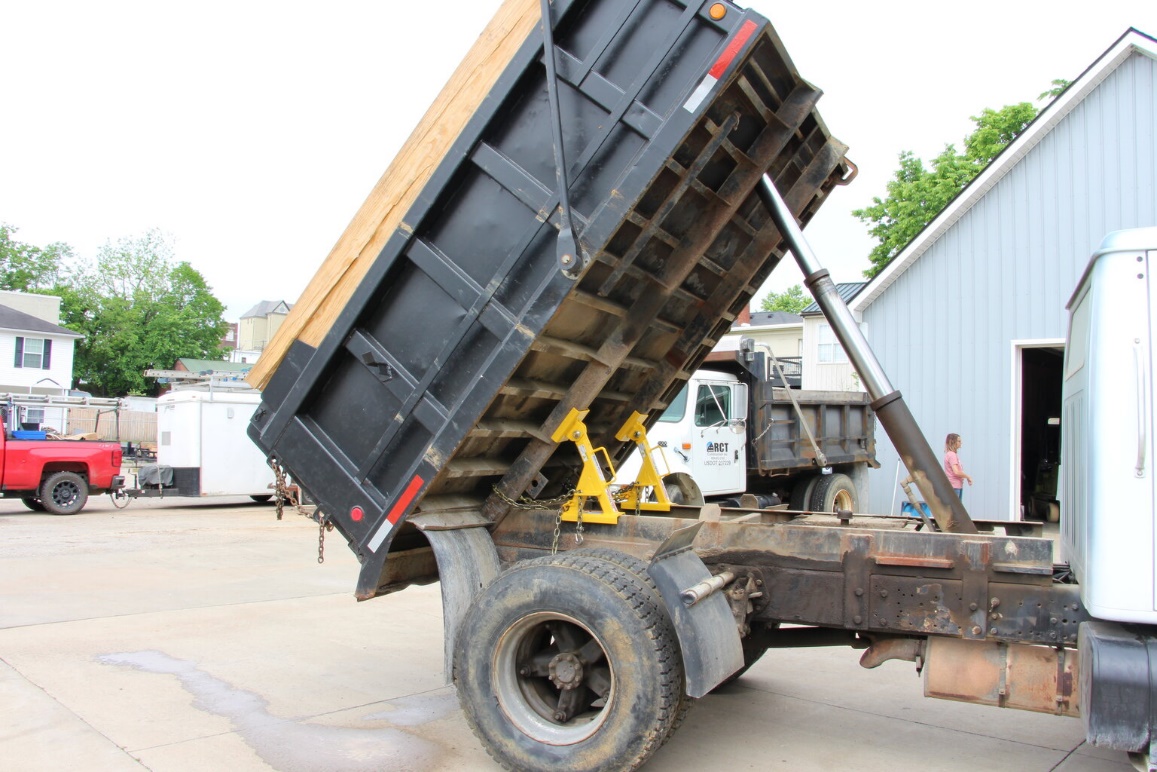
BedLock Safety Products LLC builds engineered truck bed locks designed specifically for demanding repair conditions.
Rather than relying on uncertain materials or fabricated alternatives, BedLock systems emphasize structural durability and dependable support.
Our product line reflects different maintenance needs while maintaining the same commitment to strength and performance.
Durability Is a Long-Term Investment
Material quality affects more than safety.
Durable systems also improve:
- Equipment lifespan
- Maintenance consistency
- Replacement intervals
- Operational reliability
- Fleet cost management
Investing in engineered steel systems helps reduce uncertainty and strengthens long-term maintenance planning.
A dependable bed lock is not disposable equipment—it is part of a professional safety strategy.
This is why steel truck bed safety props and engineered truck bed locks remain the only acceptable solution for demanding refuse and construction vehicle maintenance.
BedLock Safety Products LLC supports this standard through durable dump bed safety support systems designed to deliver dependable performance, long-term durability, and reliable protection where it matters most.
Explore dependable truck safety equipment designed to support safer heavy-duty maintenance operations. Contact BedLock Safety Products today.