Every shop has one. The truck that has been through more seasons than anyone can count, carries a few creative repairs from previous owners, and somehow still shows up on the schedule.
Older equipment earns loyalty. It also earns closer attention.
Aging dump trucks are not automatically unsafe, and age alone says little about condition. But years of loading, weather, and vibration, plus earlier repairs, can change how a truck behaves in the bay. That makes repair-shop safety a matter of planning before the first wrench turns.
The point is not to distrust every older truck. It is to stop assuming an old truck will behave like a newer one.
What Changes as Dump Trucks Get Older
A truck does not have to look tired to be carrying wear. Years of service can affect the parts technicians rely on, often in ways that only appear once the repair is underway.
- Hydraulic components:Lift cylinders, rods, lines, and fittings can develop leaks or damage. A used dump truck inspection guide advises checking lifting cylinders and rods for cracks, leaks, or dents.
- Frames and bodies:The same guide recommends looking for cracks, rust, dents, and major repairs on the truck body, and noting any sagging or bowing in the frame rails.
- Corrosion:Moisture, road salt, and chemical exposure can affect frames, fasteners, and mounting points.
- Past changes:Bodies get replaced, equipment gets added, and components get relocated. The truck in the bay may no longer match what anyone remembers.
None of this makes an older truck a poor candidate for repair. It makes assumptions expensive.
Why “It Has Always Held” Is Not a Safety Plan
Hydraulic systems lift and lower dump bodies. They are not a reason to skip physical support. OSHA’s bulletin on dump truck body hazards describes 31 accidents over ten years involving unanticipated movement of an elevated body, nearly all of them fatal, and lists hydraulic failure among the causes.
Older hoist components have simply had more years to wear. A truck that has held a raised body a thousand times has a track record. It does not have a guarantee.
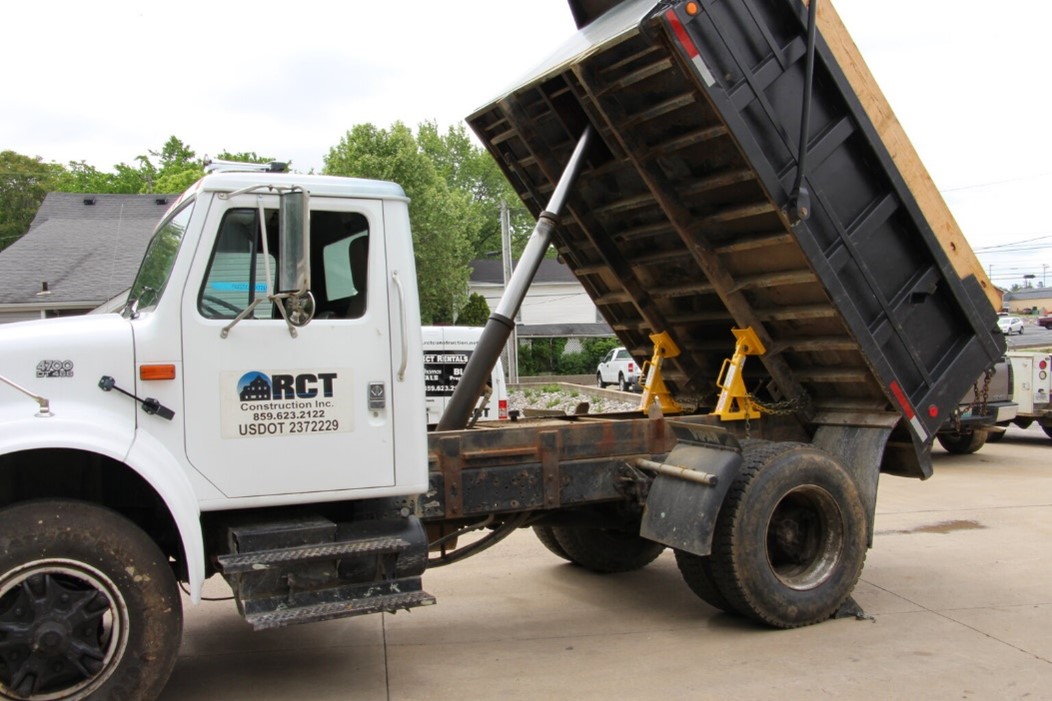
OSHA’s construction standard for motor vehicles also calls for a positive means of support, permanently attached and capable of being locked in position, to prevent accidental lowering during maintenance or inspection. That is the foundation of dump truck repair safety: support the body before anyone works beneath it.
Inspect Before You Raise
A short walkaround before the bed goes up can change the plan for the whole job.
- Frame and body:Check rails, mounts, and visible repairs for cracks, rust, and sagging.
- Hoist and hydraulics:Look for leaking fluid, damaged rods, and wear around cylinders and lines.
- Existing supports:OSHA notes that body props are subject to rust and damage and need proper maintenance.
- Service history:For trucks run by motor carriers, federal rules require parts and accessories, including frames, to be in safe operating condition, with inspection and repair records kept.
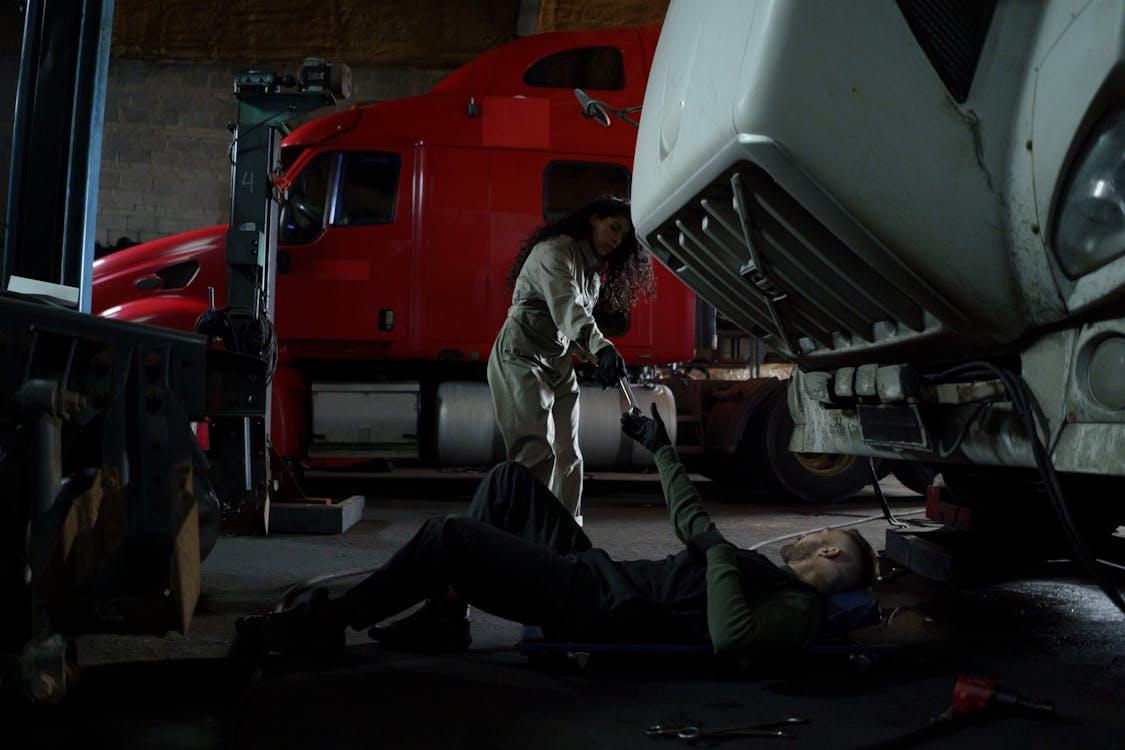
A truck’s service history is the closest thing it has to a résumé. Read it before making plans.
Plan for Surprises
Scheduling an older truck like a newer one is a reliable way to run late. A repair that looks simple on paper can grow once panels, brackets, and fittings come off.
- Leave room for findings:Build time into the plan for discoveries that change the scope.
- Verify the configuration:Do not assume the truck still matches its original layout. Check frame dimensions and clearance directly.
- Pass information along:Tell supervisors and the next shift what was found, and document it.
- Pause when something looks wrong:An unexpected condition is information. Treat it that way.
Strong repair-shop safety comes from preparation, not luck, and it matters most with aging dump trucks, where the history is hardest to read.
Match the Support to the Truck in Front of You
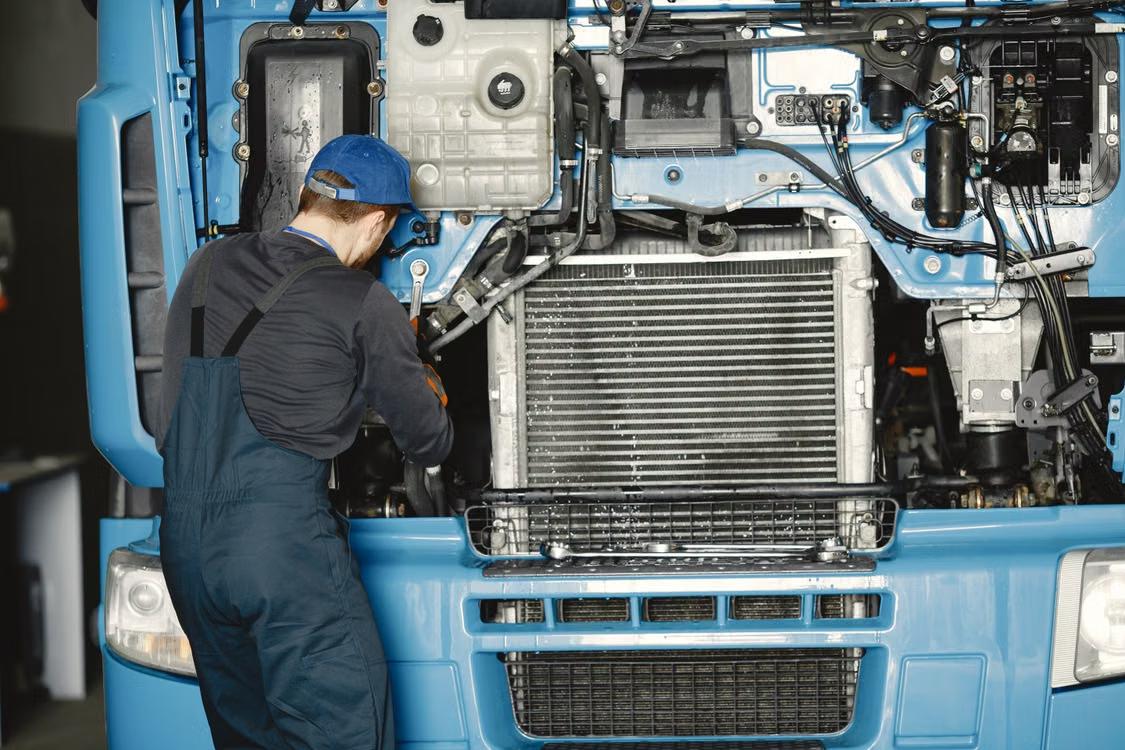
Support equipment chosen years ago for a different fleet may not suit the truck being serviced today. Added tanks, relocated components, or replaced bodies can all change available frame space.
Measure the frame, check clearance, and confirm the equipment suits the repair. BedLock’s guide to frame sizes explains why. When access is limited, the answer may be a different configuration rather than a forced fit.
This is where support equipment for raised dump beds earns its keep. The right setup gives technicians a stable, verified place to work, and it keeps the repair plan from depending on what worked on a different truck.
Safer Repairs Start With the Right Support
At BedLock Safety Products, LLC, we know older trucks bring older questions. We provide truck repair safety equipment designed for applicable repair-shop use, including BedLock systems for different frame dimensions and truck configurations, with options where limited frame space creates added challenges.
Our team can review your application and help identify the appropriate system.
If your shop services aging dump trucks, contact BedLock Safety Products, LLC. We can help you identify the appropriate BedLock System for your application and provide firm freight costs.