
Blogs

Technician using a digital monitoring system in a truck repair facility for predictive maintenance

How Predictive Maintenance Tools Complement Physical Safety Equipment

Modern repair facilities are evolving rapidly, driven by the need for greater efficiency, reduced downtime, and improved safety outcomes. One of the most impactful developments in recent years has been the integration of predictive maintenance tools—systems that use data, sensors, and analytics to anticipate issues before they become failures. However, while predictive maintenance offers powerful […]

How Predictive Maintenance Tools Complement Physical Safety Equipment Read More »

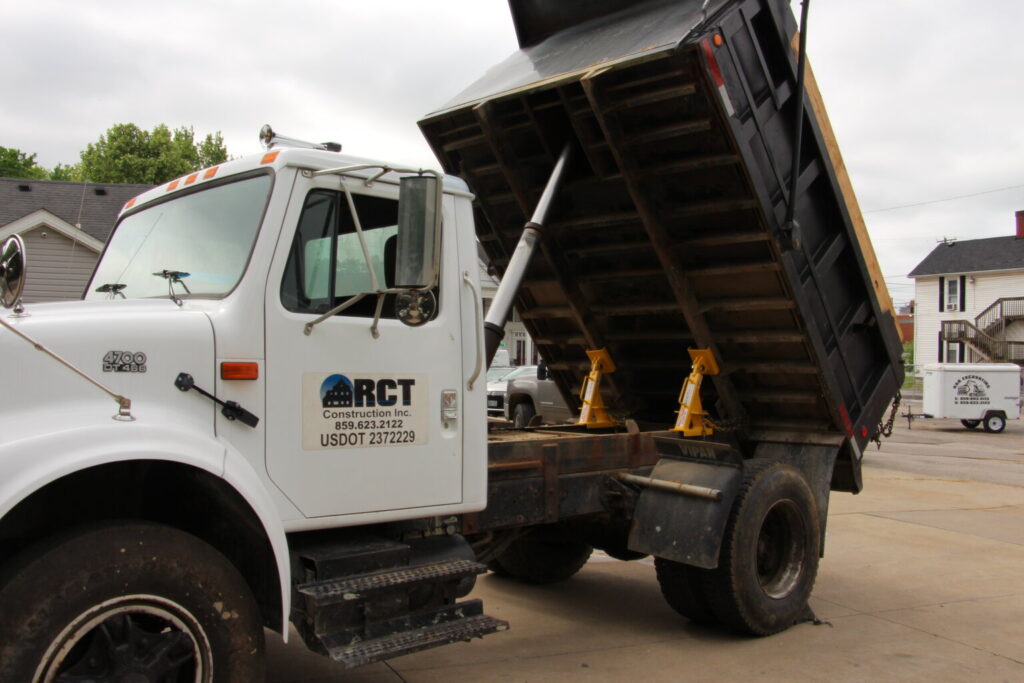
Dump truck with two bed locks installed, providing stable support during maintenance

Modern Safety Tools for High-Volume Repair Facilities

High-volume repair facilities operate in a fast-paced environment where efficiency and safety must work together seamlessly. With multiple vehicles moving through service bays daily, there is little room for error. In such demanding settings, modern safety tools are not just helpful—they are essential. Advanced systems like engineered truck safety equipment and precision-designed truck bed locks allow shops to maintain

Modern Safety Tools for High-Volume Repair Facilities Read More »

Designing a Safer Shop: Workflow and Equipment That Protect Technicians

A safe repair facility doesn’t happen by accident—it’s designed. From how tools are organized to where vehicles are positioned, every detail in a shop layout influences technician safety and operational efficiency. While training and policies are important, the physical environment and the strategic use of truck safety equipment are critical to preventing accidents and improving workflow. For

Designing a Safer Shop: Workflow and Equipment That Protect Technicians Read More »

Red dump truck with raised bed during maintenance without visible safety support equipment

The Hidden Costs of Using Makeshift Props in Dump Truck Maintenance

In many repair facilities, especially those under pressure to meet tight deadlines, shortcuts can quietly become part of the workflow. One of the most dangerous of these shortcuts is the use of makeshift props to support raised beds during dump truck maintenance. While these improvised solutions may seem convenient in the moment, they introduce serious

The Hidden Costs of Using Makeshift Props in Dump Truck Maintenance Read More »

Two workers talking to each other in a workshop environment

The Role of Team Communication in Shop Safety

In busy repair facilities, safety is not just about equipment or procedures—it’s about communication. Clear, consistent communication between team members plays a critical role in preventing accidents, especially when working with heavy-duty vehicles and complex systems. From daily briefings to shift handoffs and digital alerts, strong communication practices ensure that safety standards are understood, followed, and

The Role of Team Communication in Shop Safety Read More »

Technician repairing a truck component

Standardizing Safety Protocols Across Fleet Locations

Managing multiple repair facilities comes with a unique set of challenges, especially when it comes to maintaining consistent safety practices. Safety protocols in fleet management play a critical role in ensuring that technicians across all locations follow the same procedures, use the right equipment, and operate in a safe, controlled environment. Without standardized protocols, even the

Standardizing Safety Protocols Across Fleet Locations Read More »

Dump truck in a repair shop with the bed raised and secured using two bed locks during maintenance

How Predictive Maintenance Enhances Shop Safety

Modern repair facilities are under increasing pressure to improve efficiency while maintaining the highest safety standards. One of the most effective ways to achieve both is through predictive maintenance. By using data, inspection logs, and reliable truck safety equipment, repair shops can identify potential issues before they lead to failures, accidents, or costly downtime. Predictive

How Predictive Maintenance Enhances Shop Safety Read More »

Technician performing maintenance under a raised dump truck using proper safety procedures

Implementing Multi-Shift Safety Protocols Successfully

Maintaining consistent safety standards across multiple shifts is a critical challenge for repair shops and fleet facilities. The implementation of clear safety protocols ensures technicians are protected, accidents are minimized, and operations remain efficient 24/7. In multi-shift environments, variations in personnel, fatigue, and changing conditions can lead to inconsistencies in maintenance practices, making standardized procedures and certified

Implementing Multi-Shift Safety Protocols Successfully Read More »

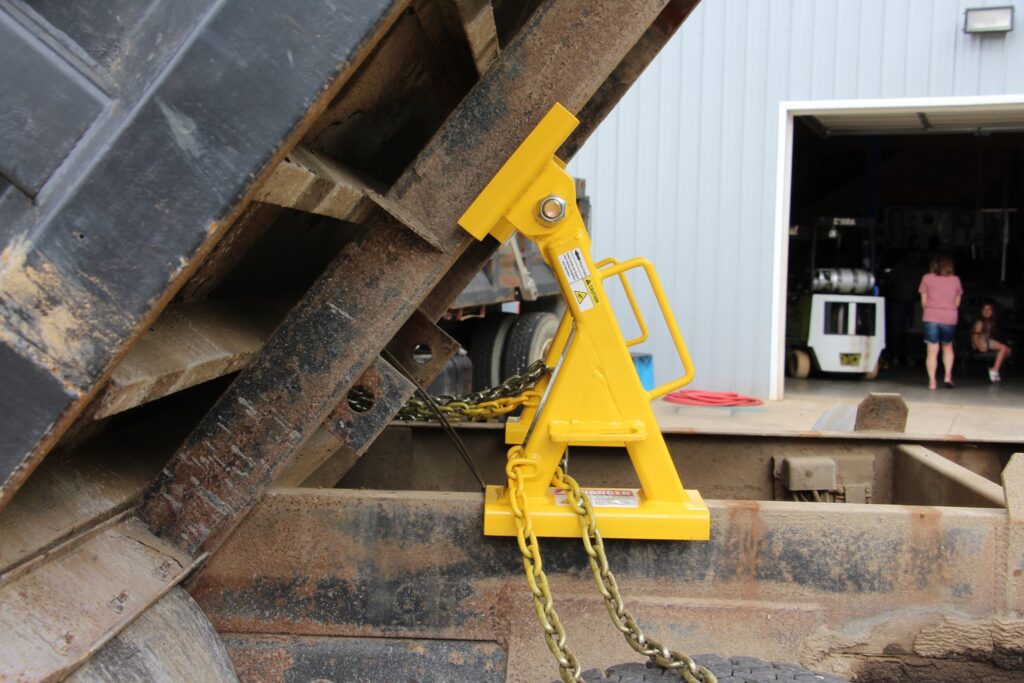
Close-up of a professional truck bed lock installed on a dump truck, providing secure dump bed safety support.

How Professional Truck Bed Locks Improve Safety Inside Repair Facilities

Repair facilities are inherently high-risk environments. Heavy vehicles, elevated dump beds, hydraulic systems, and time-sensitive workflows combine to create conditions where even small safety lapses can result in serious injuries or costly damage. Among the most critical — and often underestimated — safety measures inside these facilities is how raised dump beds are supported during

How Professional Truck Bed Locks Improve Safety Inside Repair Facilities Read More »

Technician reading a safety label at a truck repair facility

Training Teams for Zero-Incident Maintenance

Creating a culture of zero-incident maintenance starts long before any tools are picked up. Technician training, refresher programs, and standardized safety protocols are crucial to protecting staff and keeping operations running efficiently. Repair shops face evolving challenges with larger fleets, heavier trucks, and stricter compliance standards. Ensuring every technician understands how to deploy truck repair safety

Training Teams for Zero-Incident Maintenance Read More »

Scroll to Top